
Matching Metal Roof Profiles with the Right Solar Mounting System
August 26, 2026
The growth of commercial and industrial solar projects has increased the demand for mounting solutions that can adapt to different building structures. Metal roofs are widely used across warehouses, factories, agricultural facilities, and commercial buildings due to their durability and lightweight characteristics. However, selecting the right mounting solution requires a detailed understanding of roof profiles, structural conditions, and installation requirements. Proper matching between roof design and mounting technology helps ensure system safety, efficiency, and long-term performance.
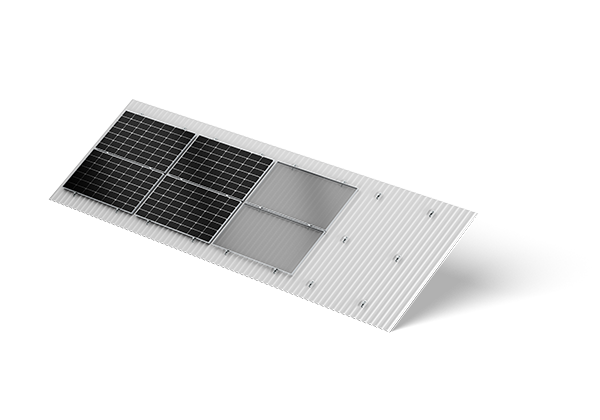
Metal roofs are available in various designs, and each profile presents unique requirements for solar installation. Common types include standing seam, trapezoidal, and Kliplok metal roof solar mounting systems. Although these profiles provide strong protection for buildings, their different connection methods and structural characteristics influence how solar mounting systems should be installed.
Standing seam roofs typically feature concealed fasteners and raised seams, and compatible clamp-based mounting methods can be used where the roof profile and structural requirements allow. Trapezoidal metal roofs usually have corrugated surfaces with exposed fasteners, requiring mounting components that can securely attach to the roof structure while maintaining waterproof performance.
Kliplok roofs are commonly used in industrial buildings and require specialized solutions that match their unique locking mechanism. Choosing an appropriate mounting structure based on the roof profile can reduce installation risks and improve the overall reliability of the solar system.
Selecting suitable metal roof solar mounting systems is not only about mechanical compatibility. It directly affects installation efficiency, structural stability, and project costs. An unsuitable mounting solution may create challenges such as additional modifications, increased labor requirements, or potential roof damage.
A well-designed mounting system should distribute loads effectively while minimizing stress on the roof structure. Factors such as wind pressure, snow loads, module arrangement, and roof material must be considered during system design.
For commercial solar developers and EPC companies, using a mounting solution that matches the specific metal roof profile helps streamline construction. It allows installation teams to follow standardized procedures, reduce working time, and improve overall project management efficiency.
The efficiency of solar installation is a key consideration for business owners and project developers. Metal roof projects often require fast deployment because construction schedules can directly influence project returns. Therefore, mounting systems with simplified installation processes provide significant advantages.
Modern metal roof solar mounting systems are designed with prefabricated components and optimized connection methods to reduce on-site labor requirements. Lightweight materials and pre-assembled parts can help installation teams complete projects more efficiently while maintaining structural reliability.
For installers, a flexible mounting solution also reduces the complexity of managing different roof types. A system that supports multiple metal roof profiles allows greater adaptability across various commercial and industrial applications.
Solar mounting systems installed on metal roofs must withstand environmental challenges throughout the system’s operating life. Exposure to rain, humidity, temperature changes, and strong winds can affect the performance of mounting components if materials and designs are not properly selected.
High-quality materials play an important role in ensuring long-term reliability. Aluminum alloys are commonly used in solar mounting structures because they provide excellent corrosion resistance while maintaining strength and reducing overall system weight.
In addition to material selection, engineering design determines how effectively the mounting system performs over time. Proper load distribution, secure connections, and compatibility with roof structures help protect both the solar installation and the building itself.
Metal roof solar projects are becoming increasingly common because they allow businesses to utilize existing building spaces for renewable energy generation. Warehouses, manufacturing facilities, and commercial buildings often have large roof areas that can support photovoltaic installations.
However, different buildings may use different roof materials and profiles. A flexible mounting approach enables solar developers to create customized solutions without requiring major structural changes.
By selecting the correct mounting system for each roof type, project owners can maximize available rooftop space and improve the value of existing assets. This approach supports the wider adoption of solar energy while reducing dependence on additional land resources.
We at Antaisolar are dedicated to advancing renewable energy development through technological innovation and providing comprehensive PV mounting system solutions worldwide. Our solutions cover fixed mounting systems, tracking systems, and BIPV applications, supporting customers with complete services from design to installation.
With extensive experience in photovoltaic mounting technology, we understand that every metal roof solar project has different requirements. Our metal roof solar mounting systems are designed to provide reliable compatibility with various roof profiles, including Kliplok, trapezoidal, and standing seam metal sheet roofs.
Among our solutions, the Mini Rail system provides an efficient option for metal roof solar installations. It offers a cost-effective design that saves rail materials and helps reduce project costs, especially for metal roof solar mounts. Manufactured from AL6006-T6 aluminum alloy, the Mini Rail is designed for corrosion resistance and long-term outdoor use on applicable metal roof projects. It also supports easier installation through pre-assembled parts, helping reduce labor costs and improve construction efficiency.
Matching metal roof profiles with the right mounting system is essential for achieving safe, efficient, and durable solar installations. As commercial and industrial solar markets continue to expand, flexible and reliable mounting technologies will play a greater role in project success.
Through advanced engineering and customer-focused solutions, Antaisolar helps global partners overcome installation challenges and achieve stronger solar project performance. By selecting a mounting solution compatible with the specific roof profile, businesses can make better use of existing rooftop space while supporting reliable PV deployment.
Understanding Different Metal Roof Profiles for Solar Installation
Metal roofs are available in various designs, and each profile presents unique requirements for solar installation. Common types include standing seam, trapezoidal, and Kliplok metal roof solar mounting systems. Although these profiles provide strong protection for buildings, their different connection methods and structural characteristics influence how solar mounting systems should be installed.
Standing seam roofs typically feature concealed fasteners and raised seams, and compatible clamp-based mounting methods can be used where the roof profile and structural requirements allow. Trapezoidal metal roofs usually have corrugated surfaces with exposed fasteners, requiring mounting components that can securely attach to the roof structure while maintaining waterproof performance.
Kliplok roofs are commonly used in industrial buildings and require specialized solutions that match their unique locking mechanism. Choosing an appropriate mounting structure based on the roof profile can reduce installation risks and improve the overall reliability of the solar system.
Why Proper Matching Matters for Metal Roof Solar Projects
Selecting suitable metal roof solar mounting systems is not only about mechanical compatibility. It directly affects installation efficiency, structural stability, and project costs. An unsuitable mounting solution may create challenges such as additional modifications, increased labor requirements, or potential roof damage.
A well-designed mounting system should distribute loads effectively while minimizing stress on the roof structure. Factors such as wind pressure, snow loads, module arrangement, and roof material must be considered during system design.
For commercial solar developers and EPC companies, using a mounting solution that matches the specific metal roof profile helps streamline construction. It allows installation teams to follow standardized procedures, reduce working time, and improve overall project management efficiency.
Improving Installation Efficiency Through Optimized Mounting Designs
The efficiency of solar installation is a key consideration for business owners and project developers. Metal roof projects often require fast deployment because construction schedules can directly influence project returns. Therefore, mounting systems with simplified installation processes provide significant advantages.
Modern metal roof solar mounting systems are designed with prefabricated components and optimized connection methods to reduce on-site labor requirements. Lightweight materials and pre-assembled parts can help installation teams complete projects more efficiently while maintaining structural reliability.
For installers, a flexible mounting solution also reduces the complexity of managing different roof types. A system that supports multiple metal roof profiles allows greater adaptability across various commercial and industrial applications.
Balancing Durability and Long-Term Solar Performance
Solar mounting systems installed on metal roofs must withstand environmental challenges throughout the system’s operating life. Exposure to rain, humidity, temperature changes, and strong winds can affect the performance of mounting components if materials and designs are not properly selected.
High-quality materials play an important role in ensuring long-term reliability. Aluminum alloys are commonly used in solar mounting structures because they provide excellent corrosion resistance while maintaining strength and reducing overall system weight.
In addition to material selection, engineering design determines how effectively the mounting system performs over time. Proper load distribution, secure connections, and compatibility with roof structures help protect both the solar installation and the building itself.
Supporting Flexible Applications Across Commercial and Industrial Buildings
Metal roof solar projects are becoming increasingly common because they allow businesses to utilize existing building spaces for renewable energy generation. Warehouses, manufacturing facilities, and commercial buildings often have large roof areas that can support photovoltaic installations.
However, different buildings may use different roof materials and profiles. A flexible mounting approach enables solar developers to create customized solutions without requiring major structural changes.
By selecting the correct mounting system for each roof type, project owners can maximize available rooftop space and improve the value of existing assets. This approach supports the wider adoption of solar energy while reducing dependence on additional land resources.
Antaisolar Delivers Reliable Metal Roof Solar Mounting Systems for Diverse Applications
We at Antaisolar are dedicated to advancing renewable energy development through technological innovation and providing comprehensive PV mounting system solutions worldwide. Our solutions cover fixed mounting systems, tracking systems, and BIPV applications, supporting customers with complete services from design to installation.
With extensive experience in photovoltaic mounting technology, we understand that every metal roof solar project has different requirements. Our metal roof solar mounting systems are designed to provide reliable compatibility with various roof profiles, including Kliplok, trapezoidal, and standing seam metal sheet roofs.
Among our solutions, the Mini Rail system provides an efficient option for metal roof solar installations. It offers a cost-effective design that saves rail materials and helps reduce project costs, especially for metal roof solar mounts. Manufactured from AL6006-T6 aluminum alloy, the Mini Rail is designed for corrosion resistance and long-term outdoor use on applicable metal roof projects. It also supports easier installation through pre-assembled parts, helping reduce labor costs and improve construction efficiency.
Building Better Solar Projects Through Smart Roof Integration
Matching metal roof profiles with the right mounting system is essential for achieving safe, efficient, and durable solar installations. As commercial and industrial solar markets continue to expand, flexible and reliable mounting technologies will play a greater role in project success.
Through advanced engineering and customer-focused solutions, Antaisolar helps global partners overcome installation challenges and achieve stronger solar project performance. By selecting a mounting solution compatible with the specific roof profile, businesses can make better use of existing rooftop space while supporting reliable PV deployment.
end