
How to Evaluate Surface Protection When Sourcing Weather-Resistant Solar Panel Mounting Brackets
August 07, 2026
Rooftop solar projects require mounting components that can withstand years of exposure to changing weather conditions while maintaining structural reliability. Among the many factors that influence the durability of aluminum components, anodization depth is a key consideration for sourcing high-quality solar panel mounting brackets roof solutions. Proper anodization treatment helps improve corrosion resistance, surface protection, and long-term performance, making it an essential specification for installers, EPC contractors, and solar project developers.
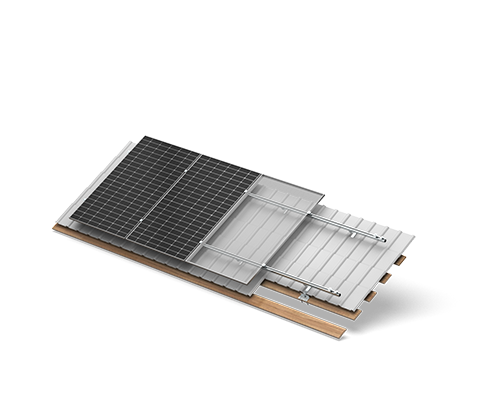
Aluminum is widely used in solar mounting structures because of its lightweight properties, strength, and resistance to environmental stress. However, untreated aluminum surfaces may still be affected by oxidation and corrosion when exposed to moisture, salt air, industrial pollutants, or extreme weather conditions. Anodization creates a protective oxide layer that enhances the material’s ability to withstand these challenges.
When sourcing solar panel mounting brackets roof applications, buyers should evaluate anodization depth as part of their quality assessment process. A thicker and properly controlled anodized layer generally provides stronger protection against surface degradation. This is especially important for rooftop installations because mounting components remain exposed to outdoor conditions throughout the entire operational lifespan of the solar system.
For commercial and industrial solar projects, selecting components with appropriate anodization standards can reduce maintenance requirements and support stable energy production. Reliable surface treatment is not only a material consideration but also an important factor affecting the overall return on investment of a solar installation.
Anodization depth refers to the thickness of the protective aluminum oxide layer formed during the anodizing process. The required depth may vary depending on application environments, local climate conditions, and project specifications. For standard rooftop solar applications, anodization thickness is commonly evaluated according to corrosion resistance requirements and industry expectations.
In regions with normal environmental exposure, moderate anodization levels may provide sufficient protection for solar mounting components. However, projects located near coastal areas, high-humidity regions, or industrial environments often require enhanced surface protection due to increased corrosion risks.
When purchasing solar panel mounting brackets roof solutions, professional buyers should request technical documentation related to anodization treatment. Information such as anodization thickness, testing standards, and material specifications can help ensure that the selected products meet project durability requirements.
Beyond anodization depth, other factors including aluminum alloy quality, manufacturing precision, and component design also influence long-term performance. A comprehensive evaluation helps prevent premature aging and ensures that mounting structures maintain their mechanical properties throughout the project lifecycle.
Weather resistance depends on more than surface treatment alone. A reliable rooftop solar mounting solution requires the combination of suitable materials, optimized engineering, and advanced manufacturing processes. Mounting brackets must support solar modules securely while handling external forces such as wind pressure, temperature changes, and seasonal weather variations.
For procurement teams, compatibility is another important consideration. Solar mounting components should be designed for different roof types, including metal roofs, tiled roofs, and flat roofs. Flexible solutions allow installers to adapt systems to various project requirements while maintaining installation efficiency.
The design of mounting accessories also affects project productivity. Components that simplify installation can reduce labor costs and improve construction timelines. Features such as quick connections, optimized fastening methods, and lightweight structures help installation teams complete projects more efficiently without compromising reliability.
As the solar industry continues to expand, mounting technology is evolving to address the increasing demand for faster and more reliable installations. Innovative design approaches can help contractors improve efficiency while maintaining high structural standards.
At the same time, manufacturers must focus on providing solutions that support different market requirements. From material selection to surface treatment, every manufacturing step contributes to the overall quality of solar mounting products. Professional suppliers with strong engineering capabilities can help customers select solutions that match environmental conditions and project objectives.
For EPC companies and installers, working with an experienced supplier also provides advantages in technical support, product customization, and project coordination. These factors are especially valuable for large-scale rooftop projects where consistency and reliability are critical.
Our roof solar mounting solutions are designed with practical installation needs in mind. Through innovative technologies such as SnapFit, our Elastic Drive system combines the elasticity of springs, aluminum, and plastic spacers to simplify PV mounting procedures. This technology helps accelerate solar roof installations while improving operational convenience for installation teams.
With our experience in solar mounting engineering and commitment to continuous innovation, we help global partners achieve efficient and durable rooftop solar projects. By focusing on product quality, installation performance, and long-term reliability, Antaisolar continues to support the transition toward cleaner energy solutions.
Selecting weatherproof mounting components requires careful attention to technical details such as anodization depth, material quality, and structural design. For solar developers and procurement professionals, these factors directly influence system durability and project success.
As rooftop solar adoption grows, reliable solar panel mounting brackets roof solutions will remain essential for building safe and efficient renewable energy systems. Through advanced engineering and customer-focused solutions, Antaisolar continues to provide dependable roof solar mounting options that help partners worldwide maximize the value of their solar investments.
Why Anodization Depth Matters for Rooftop Solar Components
Aluminum is widely used in solar mounting structures because of its lightweight properties, strength, and resistance to environmental stress. However, untreated aluminum surfaces may still be affected by oxidation and corrosion when exposed to moisture, salt air, industrial pollutants, or extreme weather conditions. Anodization creates a protective oxide layer that enhances the material’s ability to withstand these challenges.
When sourcing solar panel mounting brackets roof applications, buyers should evaluate anodization depth as part of their quality assessment process. A thicker and properly controlled anodized layer generally provides stronger protection against surface degradation. This is especially important for rooftop installations because mounting components remain exposed to outdoor conditions throughout the entire operational lifespan of the solar system.
For commercial and industrial solar projects, selecting components with appropriate anodization standards can reduce maintenance requirements and support stable energy production. Reliable surface treatment is not only a material consideration but also an important factor affecting the overall return on investment of a solar installation.
Understanding Anodization Depth Benchmarks for Solar Mounting Brackets
Anodization depth refers to the thickness of the protective aluminum oxide layer formed during the anodizing process. The required depth may vary depending on application environments, local climate conditions, and project specifications. For standard rooftop solar applications, anodization thickness is commonly evaluated according to corrosion resistance requirements and industry expectations.
In regions with normal environmental exposure, moderate anodization levels may provide sufficient protection for solar mounting components. However, projects located near coastal areas, high-humidity regions, or industrial environments often require enhanced surface protection due to increased corrosion risks.
When purchasing solar panel mounting brackets roof solutions, professional buyers should request technical documentation related to anodization treatment. Information such as anodization thickness, testing standards, and material specifications can help ensure that the selected products meet project durability requirements.
Beyond anodization depth, other factors including aluminum alloy quality, manufacturing precision, and component design also influence long-term performance. A comprehensive evaluation helps prevent premature aging and ensures that mounting structures maintain their mechanical properties throughout the project lifecycle.
Key Factors for Selecting Weatherproof Roof Solar Mounting Components
Weather resistance depends on more than surface treatment alone. A reliable rooftop solar mounting solution requires the combination of suitable materials, optimized engineering, and advanced manufacturing processes. Mounting brackets must support solar modules securely while handling external forces such as wind pressure, temperature changes, and seasonal weather variations.
For procurement teams, compatibility is another important consideration. Solar mounting components should be designed for different roof types, including metal roofs, tiled roofs, and flat roofs. Flexible solutions allow installers to adapt systems to various project requirements while maintaining installation efficiency.
The design of mounting accessories also affects project productivity. Components that simplify installation can reduce labor costs and improve construction timelines. Features such as quick connections, optimized fastening methods, and lightweight structures help installation teams complete projects more efficiently without compromising reliability.
Improving Rooftop Solar Installation Efficiency Through Innovation
As the solar industry continues to expand, mounting technology is evolving to address the increasing demand for faster and more reliable installations. Innovative design approaches can help contractors improve efficiency while maintaining high structural standards.
At the same time, manufacturers must focus on providing solutions that support different market requirements. From material selection to surface treatment, every manufacturing step contributes to the overall quality of solar mounting products. Professional suppliers with strong engineering capabilities can help customers select solutions that match environmental conditions and project objectives.
For EPC companies and installers, working with an experienced supplier also provides advantages in technical support, product customization, and project coordination. These factors are especially valuable for large-scale rooftop projects where consistency and reliability are critical.
Building Reliable Rooftop Solar Projects with Advanced Mounting Solutions
Our roof solar mounting solutions are designed with practical installation needs in mind. Through innovative technologies such as SnapFit, our Elastic Drive system combines the elasticity of springs, aluminum, and plastic spacers to simplify PV mounting procedures. This technology helps accelerate solar roof installations while improving operational convenience for installation teams.
With our experience in solar mounting engineering and commitment to continuous innovation, we help global partners achieve efficient and durable rooftop solar projects. By focusing on product quality, installation performance, and long-term reliability, Antaisolar continues to support the transition toward cleaner energy solutions.
Advancing Rooftop Solar Reliability Through Better Component Standards
Selecting weatherproof mounting components requires careful attention to technical details such as anodization depth, material quality, and structural design. For solar developers and procurement professionals, these factors directly influence system durability and project success.
As rooftop solar adoption grows, reliable solar panel mounting brackets roof solutions will remain essential for building safe and efficient renewable energy systems. Through advanced engineering and customer-focused solutions, Antaisolar continues to provide dependable roof solar mounting options that help partners worldwide maximize the value of their solar investments.
end