
How Vertical Solar Panel Mounts Enable Dual-Yield Agriculture and Renewable Energy Production
June 13, 2026
Agricultural land faces increasing pressure to support multiple uses. Farmers need productive growing areas, while energy developers are looking for suitable locations to expand photovoltaic capacity. Dual-use solar projects provide a way to combine crop cultivation and electricity generation within the same land area.
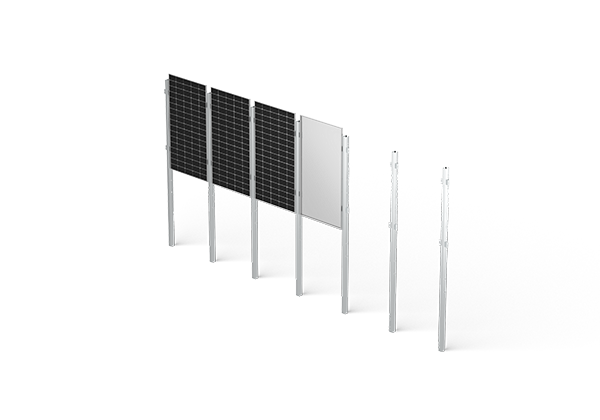
However, the success of agrivoltaic systems depends greatly on how solar structures interact with agricultural conditions. A design that maximizes panel capacity may create excessive shading or interfere with farming activities, while a layout designed only around crops may limit energy output.
Vertical solar panel mount systems offer a different approach by changing how PV modules occupy space and distribute sunlight. Instead of creating large shaded areas beneath tilted panels, vertical configurations allow more open agricultural space while still generating electricity.
Traditional solar development and agriculture have often been viewed as competing land uses. Installing PV modules on farmland can reduce available planting areas, while preserving agricultural production may limit solar deployment.
Dual-yield systems aim to change this relationship. The focus is not simply installing as many modules as possible but creating a layout where energy generation and crop growth can exist together.
Vertical PV structures support this concept because the panels occupy a smaller physical footprint on the ground. The space between rows remains available for planting, irrigation, and agricultural movement.
For developers, this creates an opportunity to increase the total value produced from a single site instead of choosing between farming and renewable energy.
The interaction between sunlight and crops is one of the most important differences between vertical and conventional solar layouts.
Tilted solar arrays typically create longer periods of concentrated shade beneath the modules. Depending on crop type and climate, this may affect plant growth patterns or require adjustments to farming practices.
Vertical systems create a different light environment. Because modules stand upright, sunlight can pass through more open areas around the array during parts of the day. The field receives changing patterns of sunlight exposure rather than continuous shading in fixed zones.
This dynamic light distribution may be beneficial for certain crops, especially those that require higher sunlight availability. However, the impact depends on local climate, crop characteristics, and array spacing.
Agricultural productivity depends not only on sunlight but also on how easily farmers can operate within the field.
Equipment access is a major consideration. Tractors, planting machines, and harvesting equipment need sufficient space to move efficiently. A solar design that creates obstacles may reduce the practicality of the agricultural operation.
Vertical configurations can provide advantages because the narrow module profile allows more flexible spacing between rows. Developers can adjust the layout according to the size of agricultural machinery and seasonal farming activities.
The best agrivoltaic designs consider farming operations before finalizing the PV arrangement rather than treating agriculture as an afterthought.
Row configuration has a direct influence on both electricity generation and agricultural conditions.
Closer spacing may increase installed PV capacity, but it can reduce sunlight availability for crops and limit operational access. Wider spacing can improve agricultural flexibility but may reduce the amount of solar equipment installed on the same land.
Vertical solar panel mount systems allow developers to explore different spacing strategies because their structure interacts differently with the field compared with traditional tilted arrays.
The optimal design depends on project priorities, including crop selection, electricity requirements, land availability, and local environmental conditions.
Not all agricultural applications require the same solar approach. Different crops have different responses to sunlight, temperature, moisture, and seasonal changes.
For example, crops that tolerate partial shading may allow different array configurations compared with crops requiring full sunlight throughout the growing period.
Developers should consider agricultural requirements during the early design stage. Collaboration between solar engineers and agricultural specialists can help determine whether a vertical configuration supports the intended farming model.
This approach prevents situations where the PV system performs well electrically but creates limitations for agricultural productivity.
One advantage of vertical PV layouts is that they can support a wider range of land-use strategies.
The open arrangement between rows may allow continued crop cultivation, livestock integration, or other agricultural activities depending on site objectives. This flexibility can make solar projects more acceptable in regions where farmland preservation is a priority.
For landowners, the ability to maintain agricultural income while adding renewable energy revenue can create additional economic value.
The success of such projects depends on designing the solar system around the land’s existing functions rather than replacing them.
Although agrivoltaic systems focus on land integration, structural engineering remains essential. Vertical modules experience different wind forces compared with conventional tilted arrangements because of their orientation and exposed surface area.
The mounting structure must provide sufficient stability while maintaining the open layout required for agricultural activities.
Foundation positioning, module height, and structural spacing all influence how effectively the system fits into the farming environment.
A well-designed system achieves a balance between structural requirements and agricultural usability.
The success of agricultural solar projects should be measured by combined performance rather than electricity production alone.
A system that generates power while allowing continued farming can create value across multiple areas, including energy production, land preservation, and agricultural continuity.
Vertical layouts provide another option for developers seeking to integrate renewable energy into working landscapes. When designed carefully, they can support a more efficient relationship between solar infrastructure and agricultural production.
The future of agricultural solar development will depend on how effectively energy systems integrate with existing land activities. Vertical PV layouts provide a practical option for projects that need to maintain crop production while introducing renewable power generation.
Agriculture and clean energy can work together more harmoniously with well-designed solutions that integrate solar infrastructure with cropland. The mounting solutions developed by Antaisolar continue to adapt to varied application scenarios and land-use restrictions, providing ongoing support for this shift.
However, the success of agrivoltaic systems depends greatly on how solar structures interact with agricultural conditions. A design that maximizes panel capacity may create excessive shading or interfere with farming activities, while a layout designed only around crops may limit energy output.
Vertical solar panel mount systems offer a different approach by changing how PV modules occupy space and distribute sunlight. Instead of creating large shaded areas beneath tilted panels, vertical configurations allow more open agricultural space while still generating electricity.
Moving From Land Competition to Land Coordination
Traditional solar development and agriculture have often been viewed as competing land uses. Installing PV modules on farmland can reduce available planting areas, while preserving agricultural production may limit solar deployment.
Dual-yield systems aim to change this relationship. The focus is not simply installing as many modules as possible but creating a layout where energy generation and crop growth can exist together.
Vertical PV structures support this concept because the panels occupy a smaller physical footprint on the ground. The space between rows remains available for planting, irrigation, and agricultural movement.
For developers, this creates an opportunity to increase the total value produced from a single site instead of choosing between farming and renewable energy.
How Vertical Orientation Changes Crop Light Conditions
The interaction between sunlight and crops is one of the most important differences between vertical and conventional solar layouts.
Tilted solar arrays typically create longer periods of concentrated shade beneath the modules. Depending on crop type and climate, this may affect plant growth patterns or require adjustments to farming practices.
Vertical systems create a different light environment. Because modules stand upright, sunlight can pass through more open areas around the array during parts of the day. The field receives changing patterns of sunlight exposure rather than continuous shading in fixed zones.
This dynamic light distribution may be beneficial for certain crops, especially those that require higher sunlight availability. However, the impact depends on local climate, crop characteristics, and array spacing.
Matching Solar Layouts With Farming Operations
Agricultural productivity depends not only on sunlight but also on how easily farmers can operate within the field.
Equipment access is a major consideration. Tractors, planting machines, and harvesting equipment need sufficient space to move efficiently. A solar design that creates obstacles may reduce the practicality of the agricultural operation.
Vertical configurations can provide advantages because the narrow module profile allows more flexible spacing between rows. Developers can adjust the layout according to the size of agricultural machinery and seasonal farming activities.
The best agrivoltaic designs consider farming operations before finalizing the PV arrangement rather than treating agriculture as an afterthought.
Optimizing Row Arrangement for Both Energy and Crops
Row configuration has a direct influence on both electricity generation and agricultural conditions.
Closer spacing may increase installed PV capacity, but it can reduce sunlight availability for crops and limit operational access. Wider spacing can improve agricultural flexibility but may reduce the amount of solar equipment installed on the same land.
Vertical solar panel mount systems allow developers to explore different spacing strategies because their structure interacts differently with the field compared with traditional tilted arrays.
The optimal design depends on project priorities, including crop selection, electricity requirements, land availability, and local environmental conditions.
Why Crop Selection Influences Solar Design Decisions
Not all agricultural applications require the same solar approach. Different crops have different responses to sunlight, temperature, moisture, and seasonal changes.
For example, crops that tolerate partial shading may allow different array configurations compared with crops requiring full sunlight throughout the growing period.
Developers should consider agricultural requirements during the early design stage. Collaboration between solar engineers and agricultural specialists can help determine whether a vertical configuration supports the intended farming model.
This approach prevents situations where the PV system performs well electrically but creates limitations for agricultural productivity.
Supporting More Flexible Agricultural Land Use
One advantage of vertical PV layouts is that they can support a wider range of land-use strategies.
The open arrangement between rows may allow continued crop cultivation, livestock integration, or other agricultural activities depending on site objectives. This flexibility can make solar projects more acceptable in regions where farmland preservation is a priority.
For landowners, the ability to maintain agricultural income while adding renewable energy revenue can create additional economic value.
The success of such projects depends on designing the solar system around the land’s existing functions rather than replacing them.
Engineering Considerations Behind Agricultural Compatibility
Although agrivoltaic systems focus on land integration, structural engineering remains essential. Vertical modules experience different wind forces compared with conventional tilted arrangements because of their orientation and exposed surface area.
The mounting structure must provide sufficient stability while maintaining the open layout required for agricultural activities.
Foundation positioning, module height, and structural spacing all influence how effectively the system fits into the farming environment.
A well-designed system achieves a balance between structural requirements and agricultural usability.
Creating Long-Term Value From Dual-Yield Projects
The success of agricultural solar projects should be measured by combined performance rather than electricity production alone.
A system that generates power while allowing continued farming can create value across multiple areas, including energy production, land preservation, and agricultural continuity.
Vertical layouts provide another option for developers seeking to integrate renewable energy into working landscapes. When designed carefully, they can support a more efficient relationship between solar infrastructure and agricultural production.
Conclusion
The future of agricultural solar development will depend on how effectively energy systems integrate with existing land activities. Vertical PV layouts provide a practical option for projects that need to maintain crop production while introducing renewable power generation.
Agriculture and clean energy can work together more harmoniously with well-designed solutions that integrate solar infrastructure with cropland. The mounting solutions developed by Antaisolar continue to adapt to varied application scenarios and land-use restrictions, providing ongoing support for this shift.
end