
Managing Inter-Row Shading Losses with Backtracking Solutions in Solar Tracking Arrays
June 09, 2026
Inter-row shading is a critical design challenge in large-scale photovoltaic projects that use tracking technology. When one row of solar modules blocks sunlight from reaching the next row, the resulting energy loss can reduce the expected output and affect project economics.
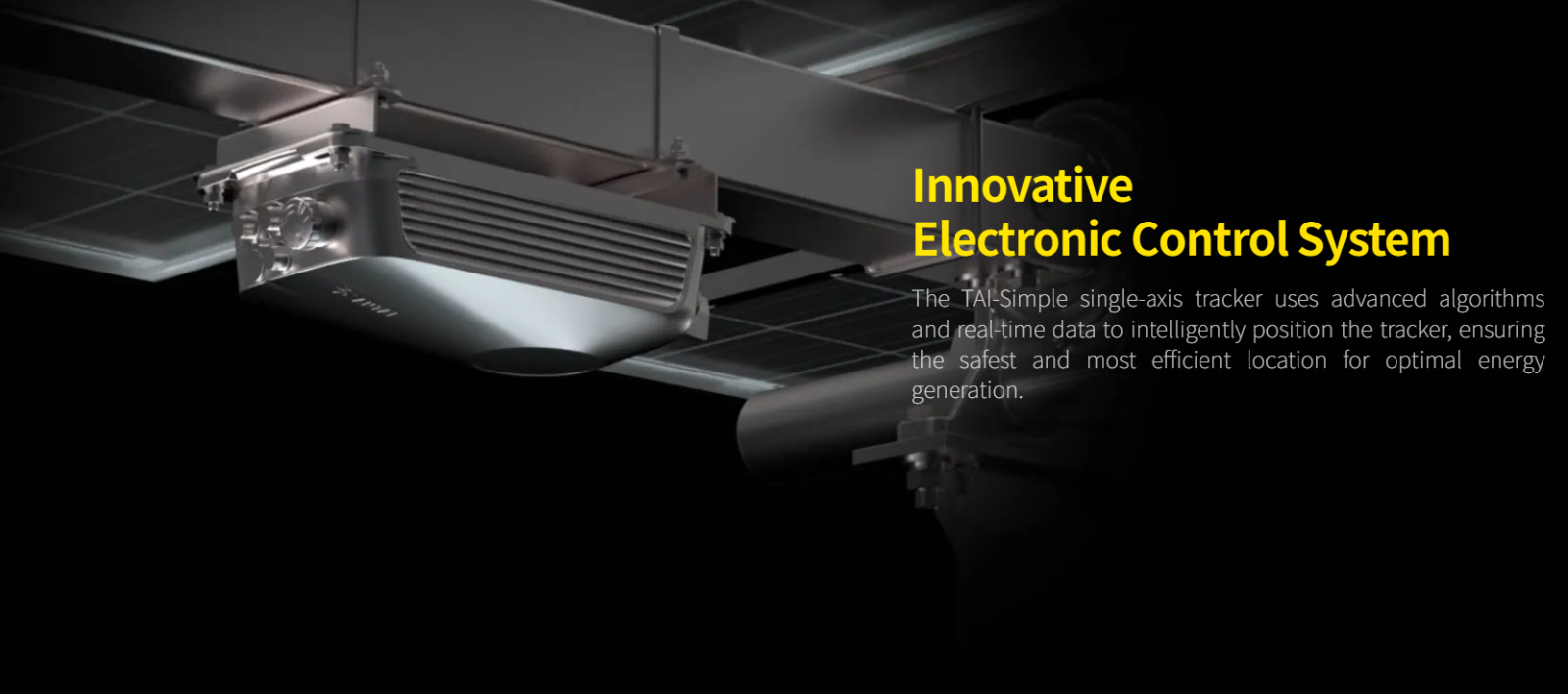
For utility-scale developers, selecting and optimizing single-axis tracking systems for arrays track requires more than simply following the sun’s movement. The tracker must also respond intelligently to row spacing, terrain conditions, and solar position to prevent unnecessary shading. Backtracking strategies have become an essential tool for maintaining energy production while allowing higher land utilization.
Understanding the indicators behind shading risks and the control methods used to solve them helps project owners improve system design, reduce performance losses, and achieve more predictable PV generation.
Unlike fixed-tilt solar structures, tracking arrays continuously adjust module angles throughout the day. During periods of high solar elevation, rows can follow the sun directly without causing significant shading concerns.
However, during early morning and late afternoon, the sun sits closer to the horizon. Modules rotate to capture available sunlight, but their angle can create long shadows that extend toward adjacent rows.
This creates a design challenge: the tracker needs to maximize direct sunlight capture while preventing one row from reducing the output of another.
The impact of inter-row shading depends on module technology, electrical configuration, and the location of the shadow on the PV array.
Partial shading does not always create proportional power losses. In crystalline silicon modules, a small shaded area can create larger electrical effects because of cell-level current limitations and bypass diode behavior.
For large solar plants containing thousands of rows, repeated shading events can accumulate into noticeable annual energy losses. This makes accurate shading analysis an important part of tracker system design.
Ground Coverage Ratio (GCR) is one of the most important parameters when evaluating shading conditions.
GCR describes the relationship between the PV module area and the total land area used by the solar array. A higher GCR means rows are placed closer together, allowing more modules to fit on the site but increasing the possibility of row-to-row shading.
A lower GCR reduces shading risk because more space exists between rows. However, excessive spacing can increase land requirements and reduce overall project density.
The ideal balance depends on land cost, energy targets, geographic location, and tracker operating strategy.
The sun’s position changes continuously throughout the year and directly affects shadow length.
A tracker operating at its maximum east or west rotation angle may capture more direct irradiance but also increase the risk of casting shadows onto neighboring rows.
Engineers evaluate solar altitude, azimuth angle, and tracker rotation limits to determine when shading prevention should take priority over direct tracking.
Many early backtracking calculations assumed flat installation areas. Real solar projects, however, are often built on uneven terrain.
Changes in slope can alter the relative height between rows and create unexpected shading patterns. Research on slope-aware backtracking has shown that terrain-adjusted calculations are necessary for preventing row-to-row shading on sites with cross-axis slopes.
Ignoring terrain during design may result in lower-than-expected energy production after commissioning.
Backtracking is a control method that intentionally adjusts tracker angles away from the direct sun-facing position when shading becomes likely.
Instead of maximizing solar alignment at every moment, the tracker slightly reduces its tilt angle to keep sunlight paths clear between rows. This creates a controlled trade-off: a small reduction in direct tracking efficiency prevents larger losses caused by shading.
For single-axis tracking systems for arrays track, backtracking is commonly applied during low solar elevation periods when shadows are longest.
The purpose of backtracking is not to eliminate all movement toward the sun. During midday conditions, trackers can usually operate close to the ideal tracking angle because shadows are shorter.
The system only modifies its position when necessary. This allows the array to maintain strong energy production throughout the day while protecting neighboring rows from obstruction.
Standard backtracking methods work effectively on flat sites, but sloped terrain requires additional adjustments.
Slope-aware algorithms consider the actual installation geometry and modify tracker positions based on local conditions. This helps prevent situations where one row remains shaded because the ground elevation changes across the array.
According to technical studies, slope-aware approaches can improve performance by reducing shading-related losses on uneven terrain.
For developers planning projects on rolling land, evaluating terrain compatibility during the design phase is essential.
Modern tracking systems increasingly rely on advanced controllers to improve positioning accuracy.
Instead of applying identical movement instructions to every row, intelligent systems can adjust operating angles according to array conditions. This approach improves adaptability when projects contain complex layouts, different slopes, or varying row spacing.
Better control algorithms also help reduce unnecessary tracker movement, supporting long-term mechanical reliability.
Increasing row spacing is a simple way to reduce shading, but it is not always economically efficient.
More distance between rows requires additional land and may reduce the total installed capacity within the project boundary. A better approach combines optimized spacing with effective backtracking control.
Simulation assumptions do not always match actual field performance.
Factors such as terrain variation, installation tolerances, tracker calibration, and controller settings can influence real shading behavior. Recent research has highlighted that terrain-related backtracking adjustments can affect actual energy yield predictions in utility-scale plants.
Careful commissioning and performance monitoring help identify whether the tracker is operating according to the original design expectations.
Inter-row shading management is a key factor in maximizing the performance of modern tracking arrays. Effective solutions require accurate evaluation of GCR, row spacing, terrain conditions, and tracker control strategies.
Our experience shows that successful solar projects combine mechanical design with intelligent tracking algorithms to achieve reliable energy output. We believe advanced single-axis tracking systems for arrays track will continue improving through smarter backtracking methods and better site adaptation. Antaisolar supports practical PV engineering solutions that help developers reduce losses and improve long-term solar project performance.
For utility-scale developers, selecting and optimizing single-axis tracking systems for arrays track requires more than simply following the sun’s movement. The tracker must also respond intelligently to row spacing, terrain conditions, and solar position to prevent unnecessary shading. Backtracking strategies have become an essential tool for maintaining energy production while allowing higher land utilization.
Understanding the indicators behind shading risks and the control methods used to solve them helps project owners improve system design, reduce performance losses, and achieve more predictable PV generation.
Why Inter-Row Shadowing Occurs in Tracking Arrays
The Relationship Between Tracker Movement and Shading
Unlike fixed-tilt solar structures, tracking arrays continuously adjust module angles throughout the day. During periods of high solar elevation, rows can follow the sun directly without causing significant shading concerns.
However, during early morning and late afternoon, the sun sits closer to the horizon. Modules rotate to capture available sunlight, but their angle can create long shadows that extend toward adjacent rows.
This creates a design challenge: the tracker needs to maximize direct sunlight capture while preventing one row from reducing the output of another.
Why Shading Losses Are More Complex Than Expected
The impact of inter-row shading depends on module technology, electrical configuration, and the location of the shadow on the PV array.
Partial shading does not always create proportional power losses. In crystalline silicon modules, a small shaded area can create larger electrical effects because of cell-level current limitations and bypass diode behavior.
For large solar plants containing thousands of rows, repeated shading events can accumulate into noticeable annual energy losses. This makes accurate shading analysis an important part of tracker system design.
Key Indicators for Evaluating Inter-Row Shadowing
Ground Coverage Ratio and Row Spacing
Ground Coverage Ratio (GCR) is one of the most important parameters when evaluating shading conditions.
GCR describes the relationship between the PV module area and the total land area used by the solar array. A higher GCR means rows are placed closer together, allowing more modules to fit on the site but increasing the possibility of row-to-row shading.
A lower GCR reduces shading risk because more space exists between rows. However, excessive spacing can increase land requirements and reduce overall project density.
The ideal balance depends on land cost, energy targets, geographic location, and tracker operating strategy.
Solar Position and Tracker Rotation Angle
The sun’s position changes continuously throughout the year and directly affects shadow length.
A tracker operating at its maximum east or west rotation angle may capture more direct irradiance but also increase the risk of casting shadows onto neighboring rows.
Engineers evaluate solar altitude, azimuth angle, and tracker rotation limits to determine when shading prevention should take priority over direct tracking.
Terrain Conditions and Array Layout
Many early backtracking calculations assumed flat installation areas. Real solar projects, however, are often built on uneven terrain.
Changes in slope can alter the relative height between rows and create unexpected shading patterns. Research on slope-aware backtracking has shown that terrain-adjusted calculations are necessary for preventing row-to-row shading on sites with cross-axis slopes.
Ignoring terrain during design may result in lower-than-expected energy production after commissioning.
How Backtracking Prevents Row-to-Row Shading
The Operating Principle of Backtracking
Backtracking is a control method that intentionally adjusts tracker angles away from the direct sun-facing position when shading becomes likely.
Instead of maximizing solar alignment at every moment, the tracker slightly reduces its tilt angle to keep sunlight paths clear between rows. This creates a controlled trade-off: a small reduction in direct tracking efficiency prevents larger losses caused by shading.
For single-axis tracking systems for arrays track, backtracking is commonly applied during low solar elevation periods when shadows are longest.
Balancing Energy Capture and Shading Prevention
The purpose of backtracking is not to eliminate all movement toward the sun. During midday conditions, trackers can usually operate close to the ideal tracking angle because shadows are shorter.
The system only modifies its position when necessary. This allows the array to maintain strong energy production throughout the day while protecting neighboring rows from obstruction.
Advanced Backtracking Strategies for Better Array Performance
Slope-Aware Backtracking
Standard backtracking methods work effectively on flat sites, but sloped terrain requires additional adjustments.
Slope-aware algorithms consider the actual installation geometry and modify tracker positions based on local conditions. This helps prevent situations where one row remains shaded because the ground elevation changes across the array.
According to technical studies, slope-aware approaches can improve performance by reducing shading-related losses on uneven terrain.
For developers planning projects on rolling land, evaluating terrain compatibility during the design phase is essential.
Intelligent Control and Row-Level Optimization
Modern tracking systems increasingly rely on advanced controllers to improve positioning accuracy.
Instead of applying identical movement instructions to every row, intelligent systems can adjust operating angles according to array conditions. This approach improves adaptability when projects contain complex layouts, different slopes, or varying row spacing.
Better control algorithms also help reduce unnecessary tracker movement, supporting long-term mechanical reliability.
Common Design Mistakes That Increase Shading Losses
Using Row Spacing Alone as the Solution
Increasing row spacing is a simple way to reduce shading, but it is not always economically efficient.
More distance between rows requires additional land and may reduce the total installed capacity within the project boundary. A better approach combines optimized spacing with effective backtracking control.
Ignoring Real Operating Conditions
Simulation assumptions do not always match actual field performance.
Factors such as terrain variation, installation tolerances, tracker calibration, and controller settings can influence real shading behavior. Recent research has highlighted that terrain-related backtracking adjustments can affect actual energy yield predictions in utility-scale plants.
Careful commissioning and performance monitoring help identify whether the tracker is operating according to the original design expectations.
Conclusion
Inter-row shading management is a key factor in maximizing the performance of modern tracking arrays. Effective solutions require accurate evaluation of GCR, row spacing, terrain conditions, and tracker control strategies.
Our experience shows that successful solar projects combine mechanical design with intelligent tracking algorithms to achieve reliable energy output. We believe advanced single-axis tracking systems for arrays track will continue improving through smarter backtracking methods and better site adaptation. Antaisolar supports practical PV engineering solutions that help developers reduce losses and improve long-term solar project performance.
end