
Selecting Corrosion-Resistant Solar Mounting Materials for Coastal Industrial PV Projects
June 17, 2026
Installing photovoltaic systems in coastal industrial zones presents challenges that go beyond normal rooftop or ground-mounted projects. High salt concentration, constant humidity, strong winds, and industrial pollutants can accelerate material degradation, making mounting structure selection a critical engineering decision.
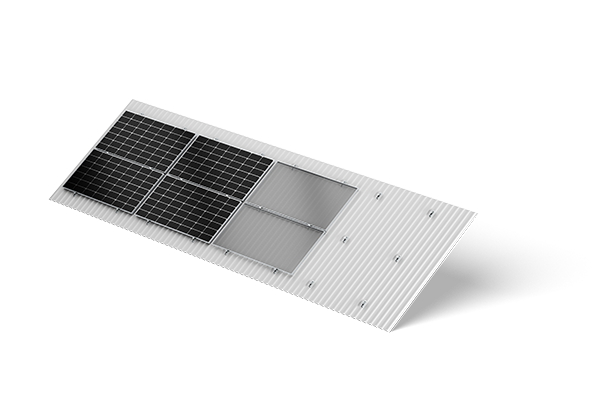
When designing metal roof solar mounting systems for factories, warehouses, ports, and coastal facilities, we must prioritize long-term corrosion resistance, structural reliability, and compatibility with existing roofs. Even a mounting solution that performs well inland may require extra protection once exposed to coastal or marine conditions.
Material selection is not only about choosing a stronger metal. It involves understanding corrosion mechanisms, environmental classification, connection methods, and maintenance requirements to protect the entire PV investment.
Salt exposure is one of the most aggressive threats to solar mounting structures. Airborne chloride particles from seawater can settle on exposed components, combine with moisture, and accelerate oxidation processes. Unlike simple surface aging, salt-induced corrosion can gradually weaken fasteners, rails, and structural connections.
Industrial coastal sites may experience even more complex conditions. Chemical emissions, high temperatures from factory operations, and trapped moisture beneath solar modules can create localized corrosion zones. These areas are often difficult to inspect after installation, which makes preventive material selection essential.
For rooftop projects, the challenge becomes greater because the mounting system must protect both the PV array and the integrity of the existing metal roof. Poor material compatibility or unsuitable fixing methods can create corrosion points that affect the roof structure over time.
The foundation of a reliable coastal PV installation is selecting materials with proven corrosion resistance. Aluminum alloys, stainless steel components, and properly treated steel are commonly considered depending on project conditions and budget requirements.
Aluminum is widely used in rooftop solar structures because it offers natural corrosion protection through the formation of an oxide layer. High-quality aluminum alloys provide a balance between lightweight design, strength, and resistance to marine environments. For commercial rooftops, this makes them suitable for reducing structural load while maintaining durability.
Steel can also be applied when additional protection methods are used. Hot-dip galvanizing creates a zinc coating that acts as a protective barrier against corrosion. However, coating thickness, environmental exposure level, and installation quality directly influence service performance.
Stainless steel is often selected for highly aggressive environments because of its excellent corrosion resistance. However, using stainless steel throughout an entire mounting system may increase project costs significantly. Engineers usually evaluate where premium materials provide the greatest value, such as fasteners and connection points.
A common mistake in coastal PV projects is focusing only on the mounting structure while ignoring interaction between different materials.
When dissimilar metals come into contact in the presence of saltwater or moisture, galvanic corrosion may occur. This electrochemical reaction can accelerate deterioration of one material, especially around clamps, bolts, and connection interfaces.
For metal roofs, installers should verify compatibility between roofing sheets, rails, clamps, and fasteners. Proper separation methods, protective coatings, and suitable hardware can reduce corrosion risks.
The design of metal roof solar mounting systems should also consider drainage and ventilation. Salt deposits and moisture trapped between the PV array and roof surface can increase corrosion exposure. Adequate clearance helps improve airflow and allows rainwater to remove accumulated contaminants.
Material choice is only one part of coastal PV reliability. Structural design must also account for local environmental loads.
Coastal industrial facilities often experience stronger wind conditions because of open terrain and proximity to the sea. The mounting system must withstand uplift forces while maintaining secure connections to the roof structure.
Fasteners deserve special attention because they represent some of the most vulnerable points in a solar array. Even when rails and brackets have excellent corrosion resistance, lower-grade screws or connectors can become early failure points.
Engineers should evaluate:
For example, projects exposed to higher corrosion categories may require upgraded screws, adjusted fixing layouts, or additional protective measures.
Even the best materials can fail if installation practices are poor. Coastal solar projects require careful handling during construction to avoid damaging protective coatings or creating exposed metal surfaces.
Cutting, drilling, or scratching components during installation can expose unprotected areas to saltwater attack. Any damaged surfaces should be treated according to manufacturer recommendations.
Installers should also avoid mixing incompatible metals without proper isolation methods. Using the correct clamps, washers, and fasteners helps maintain the designed corrosion protection strategy.
Regular inspection is another important part of coastal system management. Checking fasteners, connection points, and visible corrosion signs allows maintenance teams to address minor issues before they become structural problems.
Selecting a mounting system for a high-salt industrial environment requires a lifecycle perspective rather than focusing only on initial installation costs.
A lower-cost system may appear attractive during procurement but create higher expenses through repairs, replacements, and downtime. A corrosion-resistant design with suitable materials can improve project reliability and reduce long-term operational risks.
Project owners and EPC contractors should review:
The right solution should match the specific environment instead of applying a standard design to every location.
Coastal industrial PV projects demand careful attention to materials, structural engineering, and installation quality. Salt exposure, humidity, and industrial conditions can significantly influence the durability of solar mounting structures, making corrosion-resistant design a key factor in long-term energy performance.
Environmental challenges must be understood before components are chosen—that is the foundation of any successful solar project. Our track record shows that coastal mounting solutions perform best when built on compatible materials, reliable engineering, and careful on-site installation. Through sustained innovation in PV structural design, Antaisolar empowers customers to secure durable, productive solar assets across diverse global markets.
When designing metal roof solar mounting systems for factories, warehouses, ports, and coastal facilities, we must prioritize long-term corrosion resistance, structural reliability, and compatibility with existing roofs. Even a mounting solution that performs well inland may require extra protection once exposed to coastal or marine conditions.
Material selection is not only about choosing a stronger metal. It involves understanding corrosion mechanisms, environmental classification, connection methods, and maintenance requirements to protect the entire PV investment.
Why Coastal Industrial Environments Require Specialized Mounting Materials
Salt exposure is one of the most aggressive threats to solar mounting structures. Airborne chloride particles from seawater can settle on exposed components, combine with moisture, and accelerate oxidation processes. Unlike simple surface aging, salt-induced corrosion can gradually weaken fasteners, rails, and structural connections.
Industrial coastal sites may experience even more complex conditions. Chemical emissions, high temperatures from factory operations, and trapped moisture beneath solar modules can create localized corrosion zones. These areas are often difficult to inspect after installation, which makes preventive material selection essential.
For rooftop projects, the challenge becomes greater because the mounting system must protect both the PV array and the integrity of the existing metal roof. Poor material compatibility or unsuitable fixing methods can create corrosion points that affect the roof structure over time.
Choosing Materials for High-Salt Solar Mounting Applications
The foundation of a reliable coastal PV installation is selecting materials with proven corrosion resistance. Aluminum alloys, stainless steel components, and properly treated steel are commonly considered depending on project conditions and budget requirements.
Aluminum is widely used in rooftop solar structures because it offers natural corrosion protection through the formation of an oxide layer. High-quality aluminum alloys provide a balance between lightweight design, strength, and resistance to marine environments. For commercial rooftops, this makes them suitable for reducing structural load while maintaining durability.
Steel can also be applied when additional protection methods are used. Hot-dip galvanizing creates a zinc coating that acts as a protective barrier against corrosion. However, coating thickness, environmental exposure level, and installation quality directly influence service performance.
Stainless steel is often selected for highly aggressive environments because of its excellent corrosion resistance. However, using stainless steel throughout an entire mounting system may increase project costs significantly. Engineers usually evaluate where premium materials provide the greatest value, such as fasteners and connection points.
Material Compatibility Between Roofs and Mounting Components
A common mistake in coastal PV projects is focusing only on the mounting structure while ignoring interaction between different materials.
When dissimilar metals come into contact in the presence of saltwater or moisture, galvanic corrosion may occur. This electrochemical reaction can accelerate deterioration of one material, especially around clamps, bolts, and connection interfaces.
For metal roofs, installers should verify compatibility between roofing sheets, rails, clamps, and fasteners. Proper separation methods, protective coatings, and suitable hardware can reduce corrosion risks.
The design of metal roof solar mounting systems should also consider drainage and ventilation. Salt deposits and moisture trapped between the PV array and roof surface can increase corrosion exposure. Adequate clearance helps improve airflow and allows rainwater to remove accumulated contaminants.
Engineering Considerations Beyond Material Selection
Material choice is only one part of coastal PV reliability. Structural design must also account for local environmental loads.
Coastal industrial facilities often experience stronger wind conditions because of open terrain and proximity to the sea. The mounting system must withstand uplift forces while maintaining secure connections to the roof structure.
Fasteners deserve special attention because they represent some of the most vulnerable points in a solar array. Even when rails and brackets have excellent corrosion resistance, lower-grade screws or connectors can become early failure points.
Engineers should evaluate:
- Corrosion category of the installation environment
- Wind speed and roof loading requirements
- Fastener material and protective treatment
- Connection design and sealing methods
- Long-term inspection accessibility
For example, projects exposed to higher corrosion categories may require upgraded screws, adjusted fixing layouts, or additional protective measures.
Installation Practices That Improve Long-Term Reliability
Even the best materials can fail if installation practices are poor. Coastal solar projects require careful handling during construction to avoid damaging protective coatings or creating exposed metal surfaces.
Cutting, drilling, or scratching components during installation can expose unprotected areas to saltwater attack. Any damaged surfaces should be treated according to manufacturer recommendations.
Installers should also avoid mixing incompatible metals without proper isolation methods. Using the correct clamps, washers, and fasteners helps maintain the designed corrosion protection strategy.
Regular inspection is another important part of coastal system management. Checking fasteners, connection points, and visible corrosion signs allows maintenance teams to address minor issues before they become structural problems.
How to Evaluate the Right Mounting Solution for Coastal Projects
Selecting a mounting system for a high-salt industrial environment requires a lifecycle perspective rather than focusing only on initial installation costs.
A lower-cost system may appear attractive during procurement but create higher expenses through repairs, replacements, and downtime. A corrosion-resistant design with suitable materials can improve project reliability and reduce long-term operational risks.
Project owners and EPC contractors should review:
- Material specifications and corrosion testing
- Compatibility with the existing roof structure
- Supplier experience with coastal installations
- Availability of replacement components
- Warranty and technical support conditions
The right solution should match the specific environment instead of applying a standard design to every location.
Conclusion
Coastal industrial PV projects demand careful attention to materials, structural engineering, and installation quality. Salt exposure, humidity, and industrial conditions can significantly influence the durability of solar mounting structures, making corrosion-resistant design a key factor in long-term energy performance.
Environmental challenges must be understood before components are chosen—that is the foundation of any successful solar project. Our track record shows that coastal mounting solutions perform best when built on compatible materials, reliable engineering, and careful on-site installation. Through sustained innovation in PV structural design, Antaisolar empowers customers to secure durable, productive solar assets across diverse global markets.
end