
Shared-Rail vs. Rail-Less Configurations: Sourcing Strategies for Solar Panel Roof Rack Mounts
August 08, 2026
The rapid expansion of rooftop solar projects has increased demand for mounting solutions that balance structural reliability, installation efficiency, and project economics. For installers, EPC contractors, and solar procurement teams, selecting between shared-rail and rail-less configurations is a strategic decision that affects system design, labor requirements, and long-term performance. Understanding the differences between these two approaches helps stakeholders choose suitable solar panel roof brackets for various project requirements.
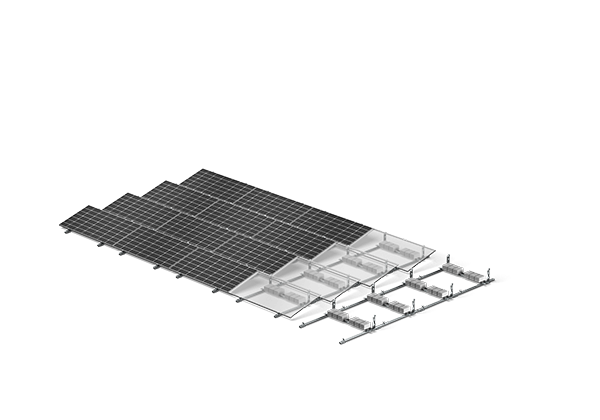
Roof mounting systems provide the critical connection between solar modules and building structures. While solar panels receive most attention during project planning, the mounting system directly influences installation quality, wind resistance, and operational durability. A properly designed structure ensures that modules remain securely positioned throughout decades of exposure to changing weather conditions.
When sourcing rooftop mounting solutions, project teams typically evaluate factors such as material quality, installation process, compatibility with different roof types, and total project cost. Shared-rail and rail-less configurations represent two different approaches to achieving secure module attachment while optimizing construction efficiency.
Both systems have advantages depending on project conditions. The right choice depends on roof design, module layout, installation preferences, and the technical requirements of the solar project.
Shared-rail systems use continuous rails that support multiple solar modules across a roof surface. In this configuration, mounting components attach modules to common rails, creating a structured framework that distributes loads across the installation area.
One major advantage of shared-rail designs is their flexibility. Because rails provide continuous support, installers can adjust module positioning more easily during installation. This makes them suitable for projects with complex layouts or roofs requiring additional design adaptability.
Shared-rail configurations also provide strong structural performance when properly engineered. The continuous rail design helps distribute mechanical loads from wind, snow, and module weight. For commercial rooftop projects with demanding environmental conditions, this approach can provide additional confidence in long-term system stability.
However, traditional rail systems may require more components and installation steps compared with newer alternatives. Additional material usage and transportation requirements may influence overall project costs, especially for large-scale rooftop deployments.
Rail-less systems remove the traditional continuous rail structure by attaching solar modules directly to roof attachments through specialized mounting components. The mber of rail-related compnents and may streamline handling and installation, depending on the system design.
For installers, rail-less configurations can offer advantages in logistics and labor efficiency. Fewer components can simplify transportation and handling and may support faster installation when site and system conditions are suitable. These benefits are particularly valuable for projects where construction schedules and labor optimization are important considerations.
Despite their simplified design, rail-less systems must maintain reliable structural performance. The connection between the roof attachment points and the solar modules must be carefully engineered to handle environmental forces. Proper system design and structural validation are essential to assess whether a reduced component count meets the required safety and durability criteria.
For procurement teams, evaluating rail-less solutions requires careful attention to engineering standards, material performance, and manufacturer expertise. A lower component count does not automatically guarantee better performance without proper structural validation.
When choosing between shared-rail and rail-less solutions, buyers should consider more than initial equipment costs. A complete sourcing strategy should evaluate installation efficiency, project conditions, maintenance expectations, and supplier capabilities.
Shared-rail systems may be preferred for projects requiring greater layout flexibility and proven installation methods. They can provide advantages for diverse roof structures and applications where installers value adjustability.
Rail-less systems may suit selected roof configurations where the structural and installation requirements support this approach, while roof type and site conditions should be evaluated before selection. They can support streamlined workflows when roof conditions and engineering requirements allow this approach.
Regardless of configuration, selecting high-quality solar panel roof brackets is essential. Components should provide reliable connections, corrosion resistance, and compatibility with different module types. Working with experienced manufacturers can help project teams identify solutions that match technical and commercial objectives.
A reliable supplier should provide more than standard products. Engineering support, manufacturing quality, material innovation, and lifecycle service are important factors that influence the success of rooftop solar projects.
Material selection is particularly important because rooftop mounting structures must withstand long-term environmental exposure. Aluminum alloys, for example, are widely used because of their lightweight characteristics and corrosion resistance. However, the specific alloy performance and manufacturing process directly affect structural reliability.
Suppliers with independent material development capabilities can offer additional advantages. Advanced materials can improve strength while maintaining installation efficiency, helping customers achieve reliable performance without unnecessary weight increases.
At Antaisolar, we have specialized in designing, manufacturing, and delivering high-performance roof solar mounting solutions since 2006. As a trusted roof solar mounting supplier, we provide complete lifecycle support while partnering with wholesalers, installers, and EPCs across more than 30 countries.
Our roof solar mounting systems are engineered to meet diverse project requirements through advanced design and material innovation. We independently developed ANTAI 6A22 aluminum alloy, which delivers enhanced mechanical performance compared with conventional 6005-T6 alloy. In T6 temper, ANTAI 6A22 achieves a tensile strength of 300–335 MPa and a yield strength of 285–310 MPa, providing improved structural strength for demanding rooftop applications.
Through continuous innovation and engineering expertise, we help customers deploy reliable rooftop solar projects with optimized mounting solutions. Whether projects require shared-rail, rail-less, or other customized configurations, we focus on delivering durable structures designed for long-term clean energy generation. Our roof solar mounting solutions support global partners in building safer, more efficient, and more sustainable solar installations.
Understanding the Role of Roof Mounting Configurations in Solar Projects
Roof mounting systems provide the critical connection between solar modules and building structures. While solar panels receive most attention during project planning, the mounting system directly influences installation quality, wind resistance, and operational durability. A properly designed structure ensures that modules remain securely positioned throughout decades of exposure to changing weather conditions.
When sourcing rooftop mounting solutions, project teams typically evaluate factors such as material quality, installation process, compatibility with different roof types, and total project cost. Shared-rail and rail-less configurations represent two different approaches to achieving secure module attachment while optimizing construction efficiency.
Both systems have advantages depending on project conditions. The right choice depends on roof design, module layout, installation preferences, and the technical requirements of the solar project.
Shared-Rail Configurations: A Traditional and Flexible Approach
Shared-rail systems use continuous rails that support multiple solar modules across a roof surface. In this configuration, mounting components attach modules to common rails, creating a structured framework that distributes loads across the installation area.
One major advantage of shared-rail designs is their flexibility. Because rails provide continuous support, installers can adjust module positioning more easily during installation. This makes them suitable for projects with complex layouts or roofs requiring additional design adaptability.
Shared-rail configurations also provide strong structural performance when properly engineered. The continuous rail design helps distribute mechanical loads from wind, snow, and module weight. For commercial rooftop projects with demanding environmental conditions, this approach can provide additional confidence in long-term system stability.
However, traditional rail systems may require more components and installation steps compared with newer alternatives. Additional material usage and transportation requirements may influence overall project costs, especially for large-scale rooftop deployments.
Rail-Less Configurations: Improving Installation Efficiency
Rail-less systems remove the traditional continuous rail structure by attaching solar modules directly to roof attachments through specialized mounting components. The mber of rail-related compnents and may streamline handling and installation, depending on the system design.
For installers, rail-less configurations can offer advantages in logistics and labor efficiency. Fewer components can simplify transportation and handling and may support faster installation when site and system conditions are suitable. These benefits are particularly valuable for projects where construction schedules and labor optimization are important considerations.
Despite their simplified design, rail-less systems must maintain reliable structural performance. The connection between the roof attachment points and the solar modules must be carefully engineered to handle environmental forces. Proper system design and structural validation are essential to assess whether a reduced component count meets the required safety and durability criteria.
For procurement teams, evaluating rail-less solutions requires careful attention to engineering standards, material performance, and manufacturer expertise. A lower component count does not automatically guarantee better performance without proper structural validation.
Comparing Sourcing Strategies for Solar Panel Roof Brackets
When choosing between shared-rail and rail-less solutions, buyers should consider more than initial equipment costs. A complete sourcing strategy should evaluate installation efficiency, project conditions, maintenance expectations, and supplier capabilities.
Shared-rail systems may be preferred for projects requiring greater layout flexibility and proven installation methods. They can provide advantages for diverse roof structures and applications where installers value adjustability.
Rail-less systems may suit selected roof configurations where the structural and installation requirements support this approach, while roof type and site conditions should be evaluated before selection. They can support streamlined workflows when roof conditions and engineering requirements allow this approach.
Regardless of configuration, selecting high-quality solar panel roof brackets is essential. Components should provide reliable connections, corrosion resistance, and compatibility with different module types. Working with experienced manufacturers can help project teams identify solutions that match technical and commercial objectives.
Key Factors to Evaluate When Selecting a Solar Mounting Supplier
A reliable supplier should provide more than standard products. Engineering support, manufacturing quality, material innovation, and lifecycle service are important factors that influence the success of rooftop solar projects.
Material selection is particularly important because rooftop mounting structures must withstand long-term environmental exposure. Aluminum alloys, for example, are widely used because of their lightweight characteristics and corrosion resistance. However, the specific alloy performance and manufacturing process directly affect structural reliability.
Suppliers with independent material development capabilities can offer additional advantages. Advanced materials can improve strength while maintaining installation efficiency, helping customers achieve reliable performance without unnecessary weight increases.
Delivering Reliable Roof Solar Mounting Solutions with Antaisolar
At Antaisolar, we have specialized in designing, manufacturing, and delivering high-performance roof solar mounting solutions since 2006. As a trusted roof solar mounting supplier, we provide complete lifecycle support while partnering with wholesalers, installers, and EPCs across more than 30 countries.
Our roof solar mounting systems are engineered to meet diverse project requirements through advanced design and material innovation. We independently developed ANTAI 6A22 aluminum alloy, which delivers enhanced mechanical performance compared with conventional 6005-T6 alloy. In T6 temper, ANTAI 6A22 achieves a tensile strength of 300–335 MPa and a yield strength of 285–310 MPa, providing improved structural strength for demanding rooftop applications.
Through continuous innovation and engineering expertise, we help customers deploy reliable rooftop solar projects with optimized mounting solutions. Whether projects require shared-rail, rail-less, or other customized configurations, we focus on delivering durable structures designed for long-term clean energy generation. Our roof solar mounting solutions support global partners in building safer, more efficient, and more sustainable solar installations.
end