
Single Axis vs Dual Axis Solar Trackers: How to Choose the Right Tracking System
June 08, 2026
Solar tracking technology has become an important consideration for utility-scale photovoltaic projects seeking higher energy output from available land. When selecting a tracking solution, developers often compare a single axis solar tracker with a dual axis tracker to determine which system provides the best balance between energy yield, cost, and operational complexity.
Although both technologies adjust PV modules to follow the sun, their movement methods, engineering requirements, and ideal applications are different. Understanding these differences helps project owners make better decisions based on site conditions, investment goals, and long-term performance expectations.
A single axis solar tracker rotates PV modules around one fixed axis, usually following the sun’s east-to-west movement throughout the day. The system adjusts the module angle to maintain better solar exposure as the sun travels across the sky.
Most utility-scale installations use horizontal single-axis designs because they offer a practical combination of energy gain and mechanical simplicity. These systems typically include drive units, torque tubes, bearings, controllers, and intelligent tracking algorithms that coordinate movement across large solar arrays.
Dual axis trackers add a second movement direction. In addition to daily east-west tracking, they can adjust the tilt angle based on the sun’s seasonal height changes. This allows the modules to follow the sun more precisely throughout the year.
The additional movement capability can increase solar capture, but it also introduces more mechanical components, control requirements, and maintenance considerations.
The biggest difference between the two systems is the number of tracking directions.
Every day, the sun's movement is best optimised by a design with only one axis. As it moves with the sun from sunrise to sunset, PV modules are able to soak up more sunshine than they would in a fixed-tilt construction. This method works wonders in wide open spaces that get a lot of sunshine.
Tracking in both azimuth and elevation is possible using a dual-axis device. The more it changes to account for the sun's daily and seasonal movements, the more accurately it can stay orientated toward the sun.
However, the additional energy gain does not always justify the higher system complexity. For large solar farms, developers usually evaluate the total project economics rather than focusing only on maximum theoretical generation.
Mechanical design plays a major role in long-term solar project reliability.
A single-axis system has fewer moving parts because it only requires rotation along one axis. This simpler structure generally reduces installation challenges and makes maintenance easier for large-scale projects.
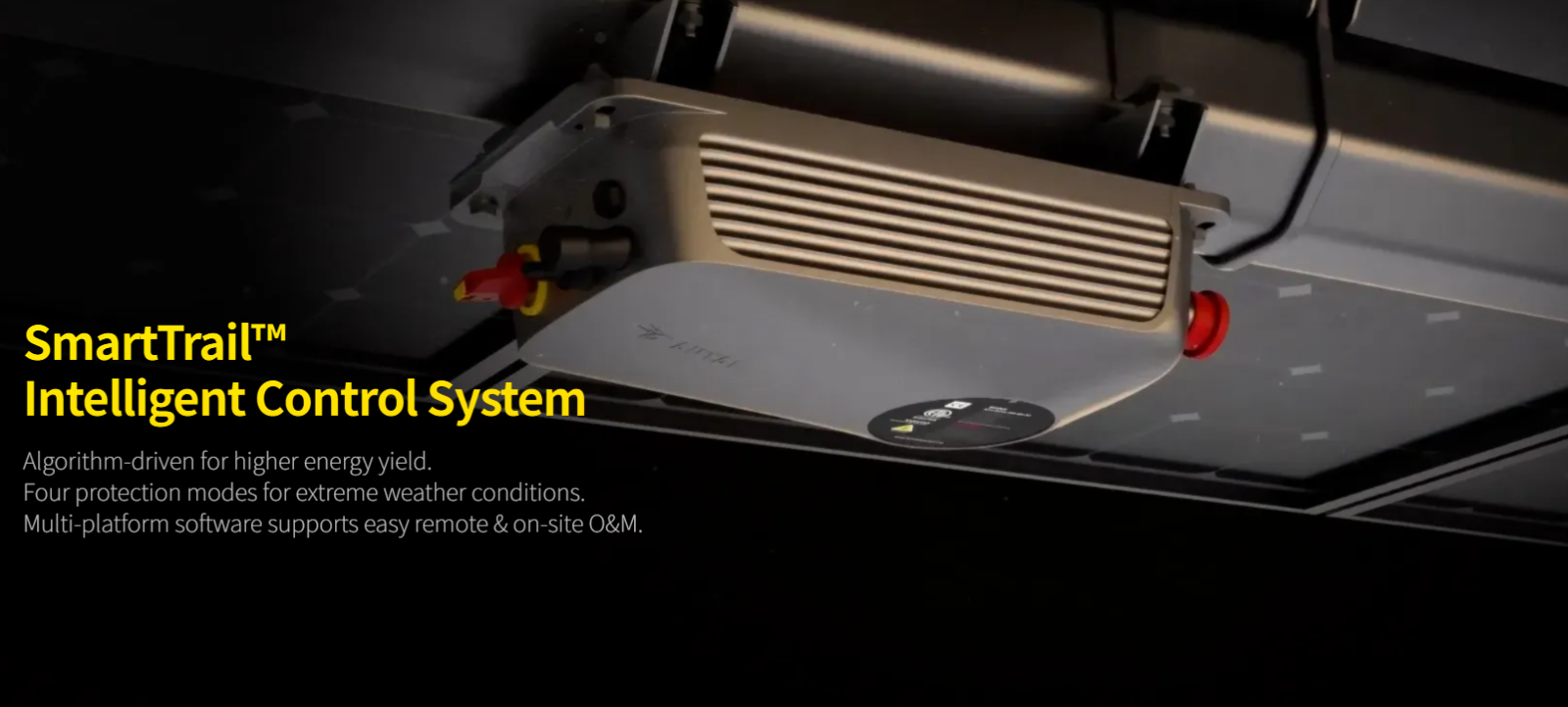
Modern designs also focus on improving structural strength and reducing installation effort. For example, advanced single-axis solutions use optimized torque tube structures, multi-point drive systems, and intelligent control platforms to improve stability and operational efficiency.
A dual axis tracker requires additional motors, actuators, and control mechanisms to manage two independent movements. These extra components may increase maintenance workload, especially in large installations exposed to harsh environmental conditions.
For utility projects where thousands of tracker units operate continuously, reducing mechanical complexity can have a significant impact on lifecycle costs.
Site characteristics strongly influence tracker selection.
A single axis solar tracker is commonly selected for utility-scale projects with relatively large, flat, or moderately sloped land. Its standardized design allows efficient deployment across extensive solar fields.
Terrain adaptability has also improved with newer tracker technologies. Some systems include flexible bearing designs and slope compensation features that allow installation on more challenging sites.
Dual axis trackers are often better suited for applications where maximizing energy production from limited space is the priority. They may be considered for research facilities, concentrated solar applications, or smaller projects where additional energy output has higher value.
For large photovoltaic plants, however, land availability, construction cost, and maintenance strategy often make single-axis solutions more attractive.
Project economics are usually the deciding factor when comparing these technologies.
Single-axis trackers generally require lower upfront investment because their mechanical structure and control system are less complicated. They also tend to have lower installation and maintenance costs, which helps improve the overall return on investment.
Dual axis systems typically involve higher equipment costs due to additional movement mechanisms and more advanced control requirements. While they can achieve higher tracking accuracy, the financial benefit depends heavily on local solar conditions, electricity prices, and project limitations.
A detailed financial analysis should consider:
The best tracking solution is not always the one with the highest energy output. It is the one that delivers the strongest long-term project value.
The choice between single-axis and dual-axis tracking depends on project objectives.
For PV plants on a large scale, a single-axis solar tracker is typically the best bet due to the excellent trade-off it provides between efficiency, dependability, and affordability. For widespread use in environments where reliability of operations is critical, it is tailor-made.
Dual axis trackers may provide advantages in specialized situations where land is limited or maximum solar alignment is required. However, their additional complexity means developers need to carefully evaluate whether the extra generation offsets higher investment and maintenance requirements.
Before selecting a system, project teams should assess local climate conditions, terrain, module configuration, grid requirements, and expected financial returns.
Choosing between single-axis and dual-axis tracking is not simply a comparison of movement capability. The right solution depends on project scale, engineering conditions, and long-term operational goals.
Our experience shows that reliable tracking performance requires a balance between energy generation, structural design, and lifecycle management. We believe advanced tracker engineering will continue helping solar developers improve project efficiency while controlling risks. Antaisolar focuses on delivering practical tracking solutions that support stable and efficient photovoltaic development.
Although both technologies adjust PV modules to follow the sun, their movement methods, engineering requirements, and ideal applications are different. Understanding these differences helps project owners make better decisions based on site conditions, investment goals, and long-term performance expectations.
How Single Axis and Dual Axis Trackers Operate
A single axis solar tracker rotates PV modules around one fixed axis, usually following the sun’s east-to-west movement throughout the day. The system adjusts the module angle to maintain better solar exposure as the sun travels across the sky.
Most utility-scale installations use horizontal single-axis designs because they offer a practical combination of energy gain and mechanical simplicity. These systems typically include drive units, torque tubes, bearings, controllers, and intelligent tracking algorithms that coordinate movement across large solar arrays.
Dual axis trackers add a second movement direction. In addition to daily east-west tracking, they can adjust the tilt angle based on the sun’s seasonal height changes. This allows the modules to follow the sun more precisely throughout the year.
The additional movement capability can increase solar capture, but it also introduces more mechanical components, control requirements, and maintenance considerations.
Key Difference 1: Tracking Movement and Energy Capture
The biggest difference between the two systems is the number of tracking directions.
Every day, the sun's movement is best optimised by a design with only one axis. As it moves with the sun from sunrise to sunset, PV modules are able to soak up more sunshine than they would in a fixed-tilt construction. This method works wonders in wide open spaces that get a lot of sunshine.
Tracking in both azimuth and elevation is possible using a dual-axis device. The more it changes to account for the sun's daily and seasonal movements, the more accurately it can stay orientated toward the sun.
However, the additional energy gain does not always justify the higher system complexity. For large solar farms, developers usually evaluate the total project economics rather than focusing only on maximum theoretical generation.
Key Difference 2: System Complexity and Maintenance Requirements
Mechanical design plays a major role in long-term solar project reliability.
A single-axis system has fewer moving parts because it only requires rotation along one axis. This simpler structure generally reduces installation challenges and makes maintenance easier for large-scale projects.
Modern designs also focus on improving structural strength and reducing installation effort. For example, advanced single-axis solutions use optimized torque tube structures, multi-point drive systems, and intelligent control platforms to improve stability and operational efficiency.
A dual axis tracker requires additional motors, actuators, and control mechanisms to manage two independent movements. These extra components may increase maintenance workload, especially in large installations exposed to harsh environmental conditions.
For utility projects where thousands of tracker units operate continuously, reducing mechanical complexity can have a significant impact on lifecycle costs.
Key Difference 3: Installation Conditions and Site Suitability
Site characteristics strongly influence tracker selection.
A single axis solar tracker is commonly selected for utility-scale projects with relatively large, flat, or moderately sloped land. Its standardized design allows efficient deployment across extensive solar fields.
Terrain adaptability has also improved with newer tracker technologies. Some systems include flexible bearing designs and slope compensation features that allow installation on more challenging sites.
Dual axis trackers are often better suited for applications where maximizing energy production from limited space is the priority. They may be considered for research facilities, concentrated solar applications, or smaller projects where additional energy output has higher value.
For large photovoltaic plants, however, land availability, construction cost, and maintenance strategy often make single-axis solutions more attractive.
Cost Comparison Between Single Axis and Dual Axis Systems
Project economics are usually the deciding factor when comparing these technologies.
Single-axis trackers generally require lower upfront investment because their mechanical structure and control system are less complicated. They also tend to have lower installation and maintenance costs, which helps improve the overall return on investment.
Dual axis systems typically involve higher equipment costs due to additional movement mechanisms and more advanced control requirements. While they can achieve higher tracking accuracy, the financial benefit depends heavily on local solar conditions, electricity prices, and project limitations.
A detailed financial analysis should consider:
- Expected energy increase
- Equipment and installation costs
- Maintenance requirements
- Land value
- Project lifetime
The best tracking solution is not always the one with the highest energy output. It is the one that delivers the strongest long-term project value.
Which Tracker Should Solar Developers Choose?
The choice between single-axis and dual-axis tracking depends on project objectives.
For PV plants on a large scale, a single-axis solar tracker is typically the best bet due to the excellent trade-off it provides between efficiency, dependability, and affordability. For widespread use in environments where reliability of operations is critical, it is tailor-made.
Dual axis trackers may provide advantages in specialized situations where land is limited or maximum solar alignment is required. However, their additional complexity means developers need to carefully evaluate whether the extra generation offsets higher investment and maintenance requirements.
Before selecting a system, project teams should assess local climate conditions, terrain, module configuration, grid requirements, and expected financial returns.
Conclusion
Choosing between single-axis and dual-axis tracking is not simply a comparison of movement capability. The right solution depends on project scale, engineering conditions, and long-term operational goals.
Our experience shows that reliable tracking performance requires a balance between energy generation, structural design, and lifecycle management. We believe advanced tracker engineering will continue helping solar developers improve project efficiency while controlling risks. Antaisolar focuses on delivering practical tracking solutions that support stable and efficient photovoltaic development.
end