
The Rise of Agri-PV: How Manufacturers Design Specialized Ground Mounts for Farms
August 18, 2026
Agriculture and renewable energy are increasingly becoming interconnected as the demand for sustainable land use grows. Agrivoltaics, or Agri-PV, combines agricultural activities with solar power generation while requiring system designs that account for agricultural productivity and farm operations. For this emerging market, specialized mounting structures are essential. A professional solar ground mount manufacturer serving Agri-PV projects needs to consider farming requirements, terrain conditions, installation efficiency, and long-term system performance.
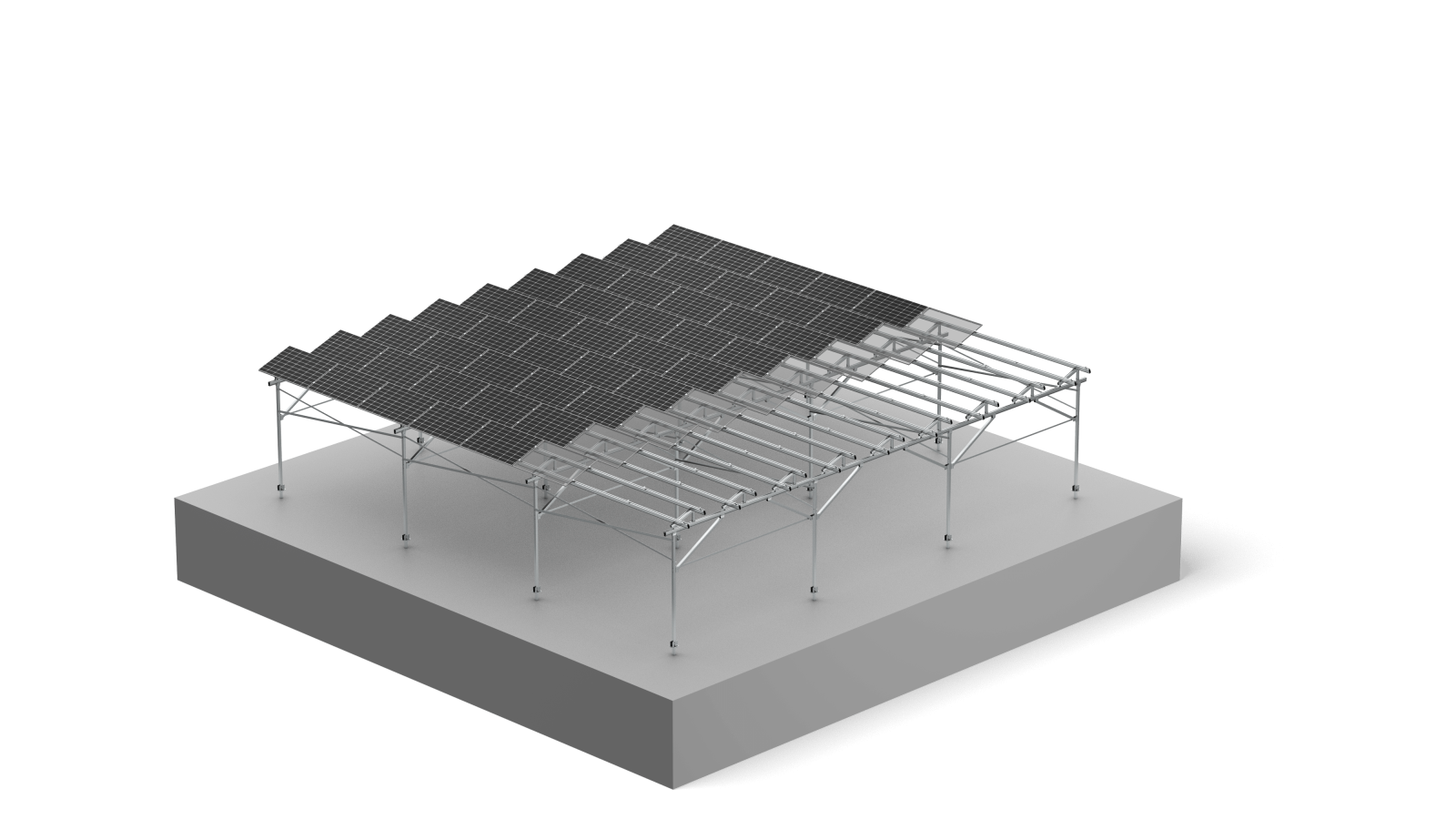
Traditional solar installations are often designed for open land with limited operational requirements. However, agricultural environments create additional challenges because solar systems must coexist with farming activities. Equipment access, crop growth, irrigation systems, livestock management, and seasonal operations all influence the design of solar mounting structures.
A standard ground mounting system may not always meet these complex requirements. Agri-PV projects require flexible solutions that provide sufficient clearance, structural stability, and adaptability to different agricultural applications. Manufacturers need to consider factors such as module height, spacing between rows, maintenance access, and compatibility with farm machinery.
As Agri-PV projects expand globally, the role of a solar ground mount manufacturer has evolved from simply supplying structures to providing comprehensive engineering solutions. Manufacturers must understand both solar project requirements and agricultural needs to create systems that deliver value for multiple stakeholders.
The design of an Agri-PV mounting system begins with understanding the unique conditions of each farm. Different crops, climates, and farming methods require different structural approaches. For example, crops with high sunlight requirements may need optimized panel spacing, while livestock applications may require greater clearance and layouts that accommodate animal movement and farm operations.
Terrain conditions also influence system design. Farms are often located on uneven landscapes, requiring mounting solutions that can adapt to slopes and varying ground conditions. A well-engineered system can reduce excessive land preparation while maintaining structural performance.
Material selection is another important consideration. Agricultural environments may expose solar structures to moisture, temperature changes, and other outdoor conditions. Durable materials and reliable protective treatments help ensure long-term operation and reduce maintenance requirements.
Large-scale Agri-PV projects involve multiple construction stages, from site evaluation and system design to installation and commissioning. Efficient project execution requires close cooperation between manufacturers, developers, and local installation teams.
Experienced manufacturers provide technical support throughout the project lifecycle. This includes customized design assistance, installation guidance, and solutions tailored to specific site conditions. Such support helps reduce construction challenges and improves project reliability.
For international solar projects, local engineering expertise is especially valuable. Different regions may have unique environmental conditions, construction standards, and installation practices. A manufacturer with global experience and local support capabilities can help support smoother project implementation.
The success of Agri-PV depends on achieving a balance between agricultural productivity and solar energy generation. Mounting structures must support efficient photovoltaic performance while allowing farmers to continue their daily operations.
Proper system design can help manage sunlight and shading patterns while improving land-use efficiency for specific agricultural applications. Depending on the application, solar installations may provide advantages such as reduced heat stress for certain crops or improved land-use efficiency.
However, these benefits depend on selecting the right mounting solution. A poorly designed system may create operational difficulties or limit farming activities. Therefore, developers should work with experienced suppliers that understand the technical requirements of both solar energy and agriculture.
The growth of Agri-PV is creating new opportunities for innovation in solar mounting technologies. Future solutions will likely focus on greater adaptability, improved installation efficiency, and enhanced compatibility with different agricultural applications.
Automation, digital design tools, and advanced engineering methods are helping manufacturers create more precise and efficient mounting systems. These improvements allow solar projects to achieve better performance while meeting the practical requirements of modern farms.
For developers and agricultural businesses, choosing the right mounting partner is a strategic decision. A capable manufacturer can provide not only reliable products but also engineering knowledge and project support that contribute to long-term success.
We are Antaisolar, dedicated to advancing the development and application of new energy through technological innovation. We provide comprehensive PV mounting system solutions, including fixed mounting systems, tracking systems, and BIPV solutions, with options adapted to different project requirements and applications. With extensive global experience, we help customers develop reliable solar projects through professional engineering support and customized solutions.
Our ground solar mounting solutions are designed to meet the diverse requirements of utility-scale and agricultural solar projects. We believe in the power of concentration and focus on delivering dependable mounting technologies that support efficient installation and long-term performance.
To support global ground mount solar projects, we provide on-site project support through our worldwide network of local engineering experts. Our engineering teams provide on-site project support for installation and commissioning according to project requirements. Through professional services and advanced mounting solutions, we help partners successfully implement Agri-PV projects that combine renewable energy development with sustainable land use.
Why Agri-PV Requires Specialized Ground Mounting Solutions
Traditional solar installations are often designed for open land with limited operational requirements. However, agricultural environments create additional challenges because solar systems must coexist with farming activities. Equipment access, crop growth, irrigation systems, livestock management, and seasonal operations all influence the design of solar mounting structures.
A standard ground mounting system may not always meet these complex requirements. Agri-PV projects require flexible solutions that provide sufficient clearance, structural stability, and adaptability to different agricultural applications. Manufacturers need to consider factors such as module height, spacing between rows, maintenance access, and compatibility with farm machinery.
As Agri-PV projects expand globally, the role of a solar ground mount manufacturer has evolved from simply supplying structures to providing comprehensive engineering solutions. Manufacturers must understand both solar project requirements and agricultural needs to create systems that deliver value for multiple stakeholders.
Designing Ground Mount Systems for Agricultural Environments
The design of an Agri-PV mounting system begins with understanding the unique conditions of each farm. Different crops, climates, and farming methods require different structural approaches. For example, crops with high sunlight requirements may need optimized panel spacing, while livestock applications may require greater clearance and layouts that accommodate animal movement and farm operations.
Terrain conditions also influence system design. Farms are often located on uneven landscapes, requiring mounting solutions that can adapt to slopes and varying ground conditions. A well-engineered system can reduce excessive land preparation while maintaining structural performance.
Material selection is another important consideration. Agricultural environments may expose solar structures to moisture, temperature changes, and other outdoor conditions. Durable materials and reliable protective treatments help ensure long-term operation and reduce maintenance requirements.
Improving Project Efficiency Through Professional Engineering Support
Large-scale Agri-PV projects involve multiple construction stages, from site evaluation and system design to installation and commissioning. Efficient project execution requires close cooperation between manufacturers, developers, and local installation teams.
Experienced manufacturers provide technical support throughout the project lifecycle. This includes customized design assistance, installation guidance, and solutions tailored to specific site conditions. Such support helps reduce construction challenges and improves project reliability.
For international solar projects, local engineering expertise is especially valuable. Different regions may have unique environmental conditions, construction standards, and installation practices. A manufacturer with global experience and local support capabilities can help support smoother project implementation.
Balancing Agricultural Needs and Solar Performance
The success of Agri-PV depends on achieving a balance between agricultural productivity and solar energy generation. Mounting structures must support efficient photovoltaic performance while allowing farmers to continue their daily operations.
Proper system design can help manage sunlight and shading patterns while improving land-use efficiency for specific agricultural applications. Depending on the application, solar installations may provide advantages such as reduced heat stress for certain crops or improved land-use efficiency.
However, these benefits depend on selecting the right mounting solution. A poorly designed system may create operational difficulties or limit farming activities. Therefore, developers should work with experienced suppliers that understand the technical requirements of both solar energy and agriculture.
The Future Development of Agri-PV Mounting Technologies
The growth of Agri-PV is creating new opportunities for innovation in solar mounting technologies. Future solutions will likely focus on greater adaptability, improved installation efficiency, and enhanced compatibility with different agricultural applications.
Automation, digital design tools, and advanced engineering methods are helping manufacturers create more precise and efficient mounting systems. These improvements allow solar projects to achieve better performance while meeting the practical requirements of modern farms.
For developers and agricultural businesses, choosing the right mounting partner is a strategic decision. A capable manufacturer can provide not only reliable products but also engineering knowledge and project support that contribute to long-term success.
How Antaisolar's Ground Solar Mounting Supports Global Agri-PV Projects
We are Antaisolar, dedicated to advancing the development and application of new energy through technological innovation. We provide comprehensive PV mounting system solutions, including fixed mounting systems, tracking systems, and BIPV solutions, with options adapted to different project requirements and applications. With extensive global experience, we help customers develop reliable solar projects through professional engineering support and customized solutions.
Our ground solar mounting solutions are designed to meet the diverse requirements of utility-scale and agricultural solar projects. We believe in the power of concentration and focus on delivering dependable mounting technologies that support efficient installation and long-term performance.
To support global ground mount solar projects, we provide on-site project support through our worldwide network of local engineering experts. Our engineering teams provide on-site project support for installation and commissioning according to project requirements. Through professional services and advanced mounting solutions, we help partners successfully implement Agri-PV projects that combine renewable energy development with sustainable land use.
end