
Why CPP Wind Tunnel Testing Is Crucial for Ground Mount Solar Racking Reliability
August 17, 2026
The rapid expansion of utility-scale solar projects has increased the demand for reliable photovoltaic mounting systems. While solar modules are the primary components generating electricity, the supporting structures determine whether a project can operate safely and efficiently for decades. Wind loads are among the most critical factors affecting solar installations, especially for large-scale ground-mounted systems exposed to changing environmental conditions.
For a professional ground mount solar racking supplier, ensuring structural stability requires more than theoretical calculations. Advanced testing methods, including CPP wind tunnel testing, provide valuable insights into how mounting systems respond to real-world wind conditions. Through simulation and engineering validation, developers can obtain additional data for structural design and risk assessment.
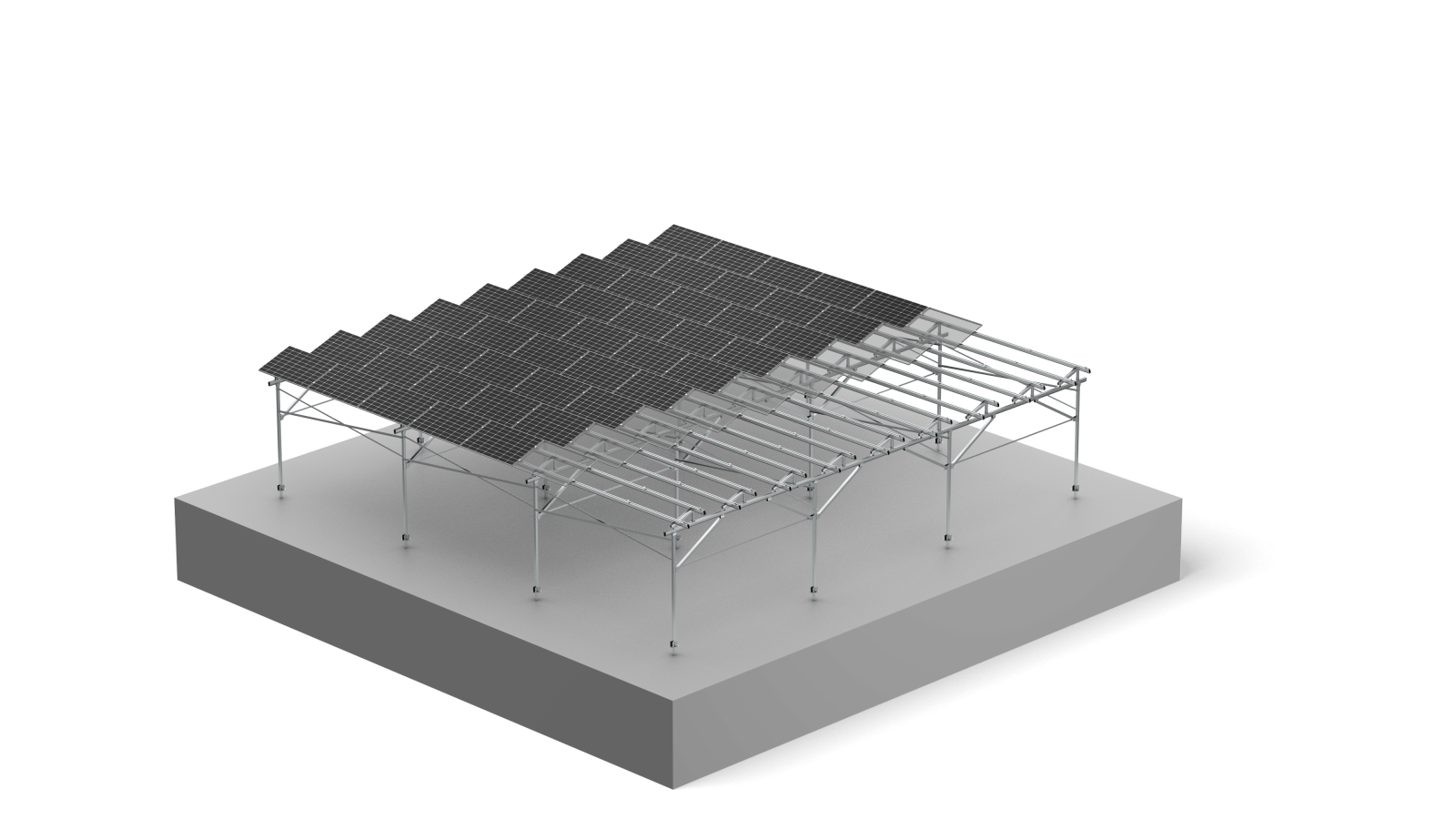
Ground-mounted solar projects are often installed in open areas where wind exposure can be significant. Unlike rooftop systems that may receive some protection from surrounding buildings, ground-mounted structures must directly withstand wind forces from multiple directions.
Wind pressure creates different types of stress on solar racking systems, including uplift forces, horizontal loads, and dynamic pressure changes. These forces can affect foundations, support structures, fasteners, and module connections. If the system design does not properly consider wind behavior, excessive stress may lead to deformation or structural failure.
Therefore, accurate wind analysis is essential during the design stage. Engineers need reliable data to understand how airflow interacts with solar arrays and identify potential weak points before installation.
Computational simulations and traditional calculations are useful tools for evaluating solar mounting structures, but complex airflow around photovoltaic arrays can be difficult to predict. Wind tunnel testing can simulate representative wind conditions using physical models in a controlled testing environment.
This testing method helps engineers analyze pressure distribution across different parts of a solar array. It can reveal how wind interacts with module surfaces, support structures, and surrounding areas. The collected data allows designers to optimize structural components and improve overall system performance.
For large solar projects, this additional level of validation is especially important. Even small improvements in structural design can significantly enhance reliability when thousands of modules are installed across extensive project sites.
A reliable ground mount solar racking system must balance structural strength, material efficiency, and installation practicality. Overengineering can increase project costs, while insufficient strength may create safety concerns. Wind tunnel testing helps achieve the right balance by providing accurate information for structural optimization.
Through CPP wind tunnel testing, engineers can evaluate factors such as module arrangement, tilt angle, row spacing, and structural configuration. These insights support the development of mounting systems that can better handle regional weather conditions.
For project owners and EPC companies, this means improved confidence in system performance. A mounting structure validated through advanced testing can reduce uncertainty during project planning and contribute to more predictable long-term operation.
Solar projects are developed across different geographic regions, each with unique climate challenges. Some locations experience strong seasonal winds, while others face extreme weather events that place additional pressure on mounting systems.
A professional ground mount solar racking supplier must consider these environmental differences when designing solutions. Testing and engineering verification allow mounting systems to be adapted according to specific project requirements.
Beyond wind resistance, high-quality systems must also address factors such as corrosion protection, material durability, and foundation performance. Comprehensive design strategies ensure that solar installations maintain stable operation throughout their expected service life.
Solar projects are long-term investments that typically operate for 25 years or more. During this period, mounting structures must continuously support photovoltaic modules while maintaining safety and performance.
Structural failures can result in costly repairs, production losses, and project delays. By investing in reliable engineering and advanced testing methods, developers can minimize these risks and improve the overall return on investment.
Wind tunnel testing is therefore not only a technical process but also a critical step in protecting solar assets. It provides greater assurance that mounting systems can perform under realistic environmental conditions throughout their operational lifespan.
Reliable solar projects require mounting systems built on strong engineering principles, precise testing, and durable materials. CPP wind tunnel testing plays an important role in validating structural performance and ensuring that solar racking systems can withstand challenging wind conditions.
As a professional PV mounting solution provider, we at Antaisolar focus on delivering dependable structures through advanced design, strict quality control, and continuous innovation. Our ground solar mounting solutions are engineered with high-performance materials and optimized structural designs for a service life of 25+ years under various environmental conditions.
Every Antaisolar ground mount system undergoes rigorous testing and meets high industry standards. Supported by regional warranties of up to 15 years, our solutions provide long-term reliability for solar projects worldwide. As a trusted ground mount solar racking supplier, we continue to help customers build safer, more efficient, and more durable solar energy systems.
For a professional ground mount solar racking supplier, ensuring structural stability requires more than theoretical calculations. Advanced testing methods, including CPP wind tunnel testing, provide valuable insights into how mounting systems respond to real-world wind conditions. Through simulation and engineering validation, developers can obtain additional data for structural design and risk assessment.
Understanding the Role of Wind Loads in Solar Mounting Systems
Ground-mounted solar projects are often installed in open areas where wind exposure can be significant. Unlike rooftop systems that may receive some protection from surrounding buildings, ground-mounted structures must directly withstand wind forces from multiple directions.
Wind pressure creates different types of stress on solar racking systems, including uplift forces, horizontal loads, and dynamic pressure changes. These forces can affect foundations, support structures, fasteners, and module connections. If the system design does not properly consider wind behavior, excessive stress may lead to deformation or structural failure.
Therefore, accurate wind analysis is essential during the design stage. Engineers need reliable data to understand how airflow interacts with solar arrays and identify potential weak points before installation.
Why CPP Wind Tunnel Testing Provides More Accurate Structural Insights
Computational simulations and traditional calculations are useful tools for evaluating solar mounting structures, but complex airflow around photovoltaic arrays can be difficult to predict. Wind tunnel testing can simulate representative wind conditions using physical models in a controlled testing environment.
This testing method helps engineers analyze pressure distribution across different parts of a solar array. It can reveal how wind interacts with module surfaces, support structures, and surrounding areas. The collected data allows designers to optimize structural components and improve overall system performance.
For large solar projects, this additional level of validation is especially important. Even small improvements in structural design can significantly enhance reliability when thousands of modules are installed across extensive project sites.
Improving Ground Mount Solar Racking Performance Through Testing
A reliable ground mount solar racking system must balance structural strength, material efficiency, and installation practicality. Overengineering can increase project costs, while insufficient strength may create safety concerns. Wind tunnel testing helps achieve the right balance by providing accurate information for structural optimization.
Through CPP wind tunnel testing, engineers can evaluate factors such as module arrangement, tilt angle, row spacing, and structural configuration. These insights support the development of mounting systems that can better handle regional weather conditions.
For project owners and EPC companies, this means improved confidence in system performance. A mounting structure validated through advanced testing can reduce uncertainty during project planning and contribute to more predictable long-term operation.
Meeting Diverse Environmental Requirements with Reliable Design
Solar projects are developed across different geographic regions, each with unique climate challenges. Some locations experience strong seasonal winds, while others face extreme weather events that place additional pressure on mounting systems.
A professional ground mount solar racking supplier must consider these environmental differences when designing solutions. Testing and engineering verification allow mounting systems to be adapted according to specific project requirements.
Beyond wind resistance, high-quality systems must also address factors such as corrosion protection, material durability, and foundation performance. Comprehensive design strategies ensure that solar installations maintain stable operation throughout their expected service life.
The Importance of Long-Term Reliability in Solar Investments
Solar projects are long-term investments that typically operate for 25 years or more. During this period, mounting structures must continuously support photovoltaic modules while maintaining safety and performance.
Structural failures can result in costly repairs, production losses, and project delays. By investing in reliable engineering and advanced testing methods, developers can minimize these risks and improve the overall return on investment.
Wind tunnel testing is therefore not only a technical process but also a critical step in protecting solar assets. It provides greater assurance that mounting systems can perform under realistic environmental conditions throughout their operational lifespan.
Delivering Proven Solar Mounting Solutions with Antaisolar
Reliable solar projects require mounting systems built on strong engineering principles, precise testing, and durable materials. CPP wind tunnel testing plays an important role in validating structural performance and ensuring that solar racking systems can withstand challenging wind conditions.
As a professional PV mounting solution provider, we at Antaisolar focus on delivering dependable structures through advanced design, strict quality control, and continuous innovation. Our ground solar mounting solutions are engineered with high-performance materials and optimized structural designs for a service life of 25+ years under various environmental conditions.
Every Antaisolar ground mount system undergoes rigorous testing and meets high industry standards. Supported by regional warranties of up to 15 years, our solutions provide long-term reliability for solar projects worldwide. As a trusted ground mount solar racking supplier, we continue to help customers build safer, more efficient, and more durable solar energy systems.
end