
Turnkey Engineering Support vs. Supply-Only Contracts in Utility Solar Projects
August 16, 2026
Utility-scale solar projects require more than reliable components. Developers and EPC contractors must consider design coordination, site conditions, installation efficiency, and long-term system performance before selecting a procurement model. When comparing turnkey engineering support with supply-only contracts, project stakeholders should evaluate how each approach affects technical coordination, project risks, and overall value. For large-scale photovoltaic developments, the role of a reliable partner extends beyond delivering products and includes technical expertise, customization capabilities, and project collaboration.
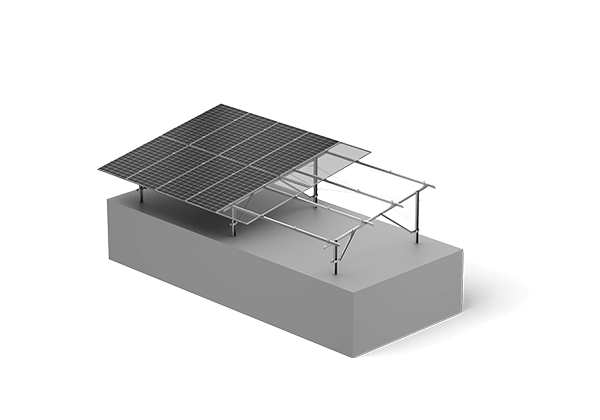
Supply-only contracts focus primarily on providing equipment according to project specifications. Under this model, solar developers or EPC contractors are responsible for engineering design, system integration, installation planning, and problem-solving during construction.
This approach may provide flexibility for experienced project teams with strong technical capabilities. However, it can also create challenges when unexpected issues arise, such as difficult terrain, changing environmental conditions, or installation limitations. Without sufficient engineering support, project owners may need to coordinate multiple parties to solve technical problems.
Integrated engineering support offers a more coordinated approach. Instead of only supplying components, the supplier participates in system design, engineering optimization, installation guidance, and technical coordination. This model allows project teams to coordinate engineering and installation support with an experienced mounting-system supplier.
Utility solar projects often involve complex site conditions. Factors such as soil characteristics, wind loads, snow loads, terrain slopes, and local regulations can influence mounting system design. A solution that performs well in one location may require adjustments when applied to another environment.
A professional ground mount solar frame supplier with engineering capabilities can assess these conditions and adapt the system design to project requirements. By considering project requirements at an early stage, suppliers can help improve installation efficiency and reduce potential design changes during construction.
Engineering support also helps ensure better coordination between different project elements. Solar mounting structures, modules, foundations, and installation methods must work together effectively. Early technical involvement can prevent compatibility issues and support smoother project execution.
For EPC contractors and solar developers, selecting a supplier is a strategic decision that extends far beyond product quality and pricing. The right partner brings essential project reliability, helping to de-risk every phase of development. A truly collaborative supplier offers engineering insights that can significantly reduce balance-of-system costs, streamline procurement, and shorten overall construction timelines. Moreover, their expertise in system design contributes to enhanced long-term energy output and operational stability.
Turnkey engineering support is a critical differentiator. It enables direct, real-time communication between the supplier's technical team and on-site project staff. When design questions or integration challenges arise during planning or installation, this immediate access to engineering expertise accelerates problem-solving, minimizes costly delays, and prevents miscommunication.
This integrated support model proves especially valuable on international projects, where diverse local codes, environmental conditions, and installation practices must be navigated. A supplier with extensive global experience not only provides regionally adapted solutions but also guides developers through complex regulatory landscapes—ultimately ensuring smoother project execution and higher investment returns.
Supply-only agreements can work effectively for standardized projects where designs are already established and installation teams have extensive experience. However, they may provide limited support when projects require customized solutions.
Utility-scale solar installations often involve large investments and long operating periods. Small design issues during the early stages can lead to increased construction costs or reduced system performance over time. Without engineering involvement from the supplier, project teams may need to spend additional resources managing technical challenges independently.
Furthermore, supply-only contracts can separate product delivery from project objectives. A component that meets basic specifications may not always provide the best overall solution when considering installation efficiency, maintenance requirements, and lifecycle value.
When comparing procurement models, developers should also assess the level of engineering and project support included with the mounting-system supply. A capable partner should provide not only reliable structures but also engineering expertise that supports project success from planning to completion.
We focus on delivering customized solutions for different photovoltaic applications. The company works with wholesalers, installers, and EPC contractors across global markets, providing professional support based on specific project requirements. With extensive project experience, Antaisolar’s engineering team helps customers optimize system design according to local conditions, installation efficiency, and long-term performance goals.
As utility solar projects continue to expand, procurement strategies are becoming increasingly important. While supply-only contracts may offer simplicity, turnkey engineering support provides additional value by reducing risks and improving coordination throughout the project lifecycle.
A trusted ground mount solar frame supplier can help developers achieve better results by combining product reliability with technical expertise. Antaisolar provides comprehensive ground solar mounting solutions designed for different project conditions. Through customized engineering, professional support, and practical project experience, Antaisolar helps customers develop efficient and dependable solar installations. By introducing integrated support into the procurement process, utility solar projects can achieve stronger performance, smoother execution, and greater long-term value.
Understanding the Differences Between Two Procurement Approaches
Supply-only contracts focus primarily on providing equipment according to project specifications. Under this model, solar developers or EPC contractors are responsible for engineering design, system integration, installation planning, and problem-solving during construction.
This approach may provide flexibility for experienced project teams with strong technical capabilities. However, it can also create challenges when unexpected issues arise, such as difficult terrain, changing environmental conditions, or installation limitations. Without sufficient engineering support, project owners may need to coordinate multiple parties to solve technical problems.
Integrated engineering support offers a more coordinated approach. Instead of only supplying components, the supplier participates in system design, engineering optimization, installation guidance, and technical coordination. This model allows project teams to coordinate engineering and installation support with an experienced mounting-system supplier.
Why Engineering Support Matters for Utility Solar Development
Utility solar projects often involve complex site conditions. Factors such as soil characteristics, wind loads, snow loads, terrain slopes, and local regulations can influence mounting system design. A solution that performs well in one location may require adjustments when applied to another environment.
A professional ground mount solar frame supplier with engineering capabilities can assess these conditions and adapt the system design to project requirements. By considering project requirements at an early stage, suppliers can help improve installation efficiency and reduce potential design changes during construction.
Engineering support also helps ensure better coordination between different project elements. Solar mounting structures, modules, foundations, and installation methods must work together effectively. Early technical involvement can prevent compatibility issues and support smoother project execution.
The Business Value of a Collaborative Solar Partner
For EPC contractors and solar developers, selecting a supplier is a strategic decision that extends far beyond product quality and pricing. The right partner brings essential project reliability, helping to de-risk every phase of development. A truly collaborative supplier offers engineering insights that can significantly reduce balance-of-system costs, streamline procurement, and shorten overall construction timelines. Moreover, their expertise in system design contributes to enhanced long-term energy output and operational stability.
Turnkey engineering support is a critical differentiator. It enables direct, real-time communication between the supplier's technical team and on-site project staff. When design questions or integration challenges arise during planning or installation, this immediate access to engineering expertise accelerates problem-solving, minimizes costly delays, and prevents miscommunication.
This integrated support model proves especially valuable on international projects, where diverse local codes, environmental conditions, and installation practices must be navigated. A supplier with extensive global experience not only provides regionally adapted solutions but also guides developers through complex regulatory landscapes—ultimately ensuring smoother project execution and higher investment returns.
Limitations of Supply-Only Contracts in Large Projects
Supply-only agreements can work effectively for standardized projects where designs are already established and installation teams have extensive experience. However, they may provide limited support when projects require customized solutions.
Utility-scale solar installations often involve large investments and long operating periods. Small design issues during the early stages can lead to increased construction costs or reduced system performance over time. Without engineering involvement from the supplier, project teams may need to spend additional resources managing technical challenges independently.
Furthermore, supply-only contracts can separate product delivery from project objectives. A component that meets basic specifications may not always provide the best overall solution when considering installation efficiency, maintenance requirements, and lifecycle value.
Choosing a Ground Mounting Partner for Long-Term Performance
When comparing procurement models, developers should also assess the level of engineering and project support included with the mounting-system supply. A capable partner should provide not only reliable structures but also engineering expertise that supports project success from planning to completion.
We focus on delivering customized solutions for different photovoltaic applications. The company works with wholesalers, installers, and EPC contractors across global markets, providing professional support based on specific project requirements. With extensive project experience, Antaisolar’s engineering team helps customers optimize system design according to local conditions, installation efficiency, and long-term performance goals.
Building More Reliable Utility Solar Projects Through Integrated Support
As utility solar projects continue to expand, procurement strategies are becoming increasingly important. While supply-only contracts may offer simplicity, turnkey engineering support provides additional value by reducing risks and improving coordination throughout the project lifecycle.
A trusted ground mount solar frame supplier can help developers achieve better results by combining product reliability with technical expertise. Antaisolar provides comprehensive ground solar mounting solutions designed for different project conditions. Through customized engineering, professional support, and practical project experience, Antaisolar helps customers develop efficient and dependable solar installations. By introducing integrated support into the procurement process, utility solar projects can achieve stronger performance, smoother execution, and greater long-term value.
end