
Turning Industrial Boundaries into Energy Assets with Vertical Solar Mount Systems
June 14, 2026
Industrial facilities often contain large perimeter areas that serve a necessary but passive function. Security fences, site boundaries, and restricted access zones protect operations, but they rarely contribute additional value after installation.
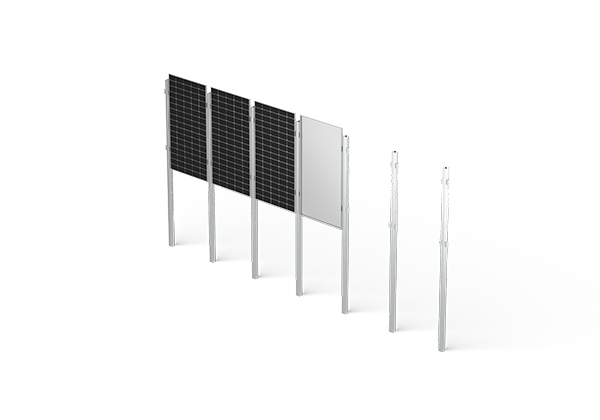
The emergence of vertical solar mount systems is changing this traditional approach. By integrating photovoltaic modules into perimeter structures, industrial sites can transform unused boundary space into electricity-generating assets without significantly affecting internal operations.
Unlike conventional ground-mounted arrays that require dedicated open land, vertical solar installations make use of existing site edges. This approach can be especially valuable for factories, logistics centers, warehouses, infrastructure facilities, and other commercial properties where available land is limited.
Industrial properties frequently have extensive fencing requirements for security, safety, and access control. These boundaries often occupy valuable land positions around the site but remain disconnected from energy generation.
A solar-integrated perimeter changes the role of these spaces. Instead of functioning only as physical barriers, fences can become productive infrastructure that supports renewable energy goals.
Vertical solar fence concepts typically use upright PV modules, often with bifacial technology, allowing both sides of the module to contribute to energy generation. This configuration can capture different sunlight conditions throughout the day while maintaining the narrow footprint of a traditional boundary structure.
For industrial developers, this creates an opportunity to add solar capacity without competing with production areas, parking zones, storage yards, or future expansion space.
Industrial sites operate differently from conventional solar farms. Internal space is usually dedicated to manufacturing, transportation, inventory management, or employee access, leaving limited room for traditional PV layouts.
A vertical solar mount follows the perimeter instead of occupying valuable operational areas. This allows companies to maintain normal site activities while adding renewable generation capacity.
The upright design can also simplify integration with existing boundaries. Rather than creating a separate solar field, the PV structure becomes part of the site infrastructure.
This approach is particularly useful for locations where land availability is restricted but perimeter length is significant.
One of the strongest advantages of solar perimeter systems is their dual-purpose function.
Industrial fences already require structural support, installation work, and maintenance. Adding photovoltaic capability allows companies to gain energy benefits from an element that is already necessary for site operation.
A properly designed vertical solar mount can support applications such as:
The key is designing the system so that energy generation does not compromise security requirements. Structural stability, access control, and visibility considerations must all be evaluated together.
The energy performance of a perimeter solar system depends on more than the number of installed modules.
Orientation, surrounding conditions, and module technology influence how much sunlight reaches the PV surfaces. Vertical configurations often work well with bifacial modules because the front and rear sides can receive light from different directions.
For example, east-west-oriented vertical arrangements can capture morning and afternoon sunlight on opposite module faces, creating a more distributed generation profile throughout the day.
This generation pattern may complement industrial electricity demand, which often extends beyond midday operating hours. However, each project requires evaluation based on local solar conditions, fence direction, and surrounding obstacles.
Industrial environments introduce challenges that are different from open-field solar projects.
Existing fences may have specific height requirements, access points, security systems, and clearance limitations. A solar-integrated design must accommodate these conditions without disrupting daily operations.
Engineering considerations may include:
The most effective designs begin with understanding the existing site layout rather than treating the perimeter as a standard solar installation area.
A major concern for industrial owners is whether solar infrastructure will interfere with normal activities.
Traditional ground arrays can limit vehicle movement, storage expansion, or future development options. Perimeter-based vertical systems avoid many of these conflicts because they use space that is already dedicated to boundaries.
The narrow structure allows internal areas to remain available for operational needs. This can be especially important for facilities where every square meter contributes to business productivity.
By placing generation capacity along the edge of the property, companies can expand renewable energy use while maintaining operational flexibility.
Although vertical systems use less horizontal space, their structural requirements remain significant. Perimeter installations must withstand environmental forces while supporting photovoltaic modules over many years.
Wind behavior is especially important because vertical panels present a different aerodynamic profile compared with tilted systems. The mounting structure must transfer these forces safely through supports and foundations.
Material selection, connection design, and installation methods all influence the durability of the system. A well-engineered structure allows the solar fence to serve both its boundary function and energy purpose.
The concept of solar-powered boundaries represents a broader shift in renewable energy development. Instead of viewing solar projects only as standalone installations, developers are finding ways to integrate generation into existing infrastructure.
Industrial properties already contain many surfaces and spaces that could support clean energy production. Perimeter areas are one example where thoughtful design can unlock additional value.
For companies pursuing sustainability targets, these solutions provide another pathway to increase renewable electricity generation without expanding their physical footprint.
Industrial perimeter fences no longer need to remain passive site infrastructure. With vertical solar mount technology, boundaries can become functional energy assets while continuing to support security and operational requirements.
To aid commercial projects in investigating novel avenues for space-efficient solar deployment, Antaisolar designs vertical mounting solutions. Industrial establishments can access hitherto untapped sources of energy by incorporating photovoltaic generation into their preexisting site infrastructure.
The emergence of vertical solar mount systems is changing this traditional approach. By integrating photovoltaic modules into perimeter structures, industrial sites can transform unused boundary space into electricity-generating assets without significantly affecting internal operations.
Unlike conventional ground-mounted arrays that require dedicated open land, vertical solar installations make use of existing site edges. This approach can be especially valuable for factories, logistics centers, warehouses, infrastructure facilities, and other commercial properties where available land is limited.
The Untapped Potential of Industrial Perimeter Space
Industrial properties frequently have extensive fencing requirements for security, safety, and access control. These boundaries often occupy valuable land positions around the site but remain disconnected from energy generation.
A solar-integrated perimeter changes the role of these spaces. Instead of functioning only as physical barriers, fences can become productive infrastructure that supports renewable energy goals.
Vertical solar fence concepts typically use upright PV modules, often with bifacial technology, allowing both sides of the module to contribute to energy generation. This configuration can capture different sunlight conditions throughout the day while maintaining the narrow footprint of a traditional boundary structure.
For industrial developers, this creates an opportunity to add solar capacity without competing with production areas, parking zones, storage yards, or future expansion space.
Why Vertical Mounting Fits Industrial Environments
Industrial sites operate differently from conventional solar farms. Internal space is usually dedicated to manufacturing, transportation, inventory management, or employee access, leaving limited room for traditional PV layouts.
A vertical solar mount follows the perimeter instead of occupying valuable operational areas. This allows companies to maintain normal site activities while adding renewable generation capacity.
The upright design can also simplify integration with existing boundaries. Rather than creating a separate solar field, the PV structure becomes part of the site infrastructure.
This approach is particularly useful for locations where land availability is restricted but perimeter length is significant.
Combining Security Functions With Power Generation
One of the strongest advantages of solar perimeter systems is their dual-purpose function.
Industrial fences already require structural support, installation work, and maintenance. Adding photovoltaic capability allows companies to gain energy benefits from an element that is already necessary for site operation.
A properly designed vertical solar mount can support applications such as:
- Factory perimeter fencing
- Logistics and distribution centers
- Industrial parks
- Infrastructure facilities
- Agricultural and commercial boundaries
The key is designing the system so that energy generation does not compromise security requirements. Structural stability, access control, and visibility considerations must all be evaluated together.
How Vertical PV Layouts Influence Energy Production
The energy performance of a perimeter solar system depends on more than the number of installed modules.
Orientation, surrounding conditions, and module technology influence how much sunlight reaches the PV surfaces. Vertical configurations often work well with bifacial modules because the front and rear sides can receive light from different directions.
For example, east-west-oriented vertical arrangements can capture morning and afternoon sunlight on opposite module faces, creating a more distributed generation profile throughout the day.
This generation pattern may complement industrial electricity demand, which often extends beyond midday operating hours. However, each project requires evaluation based on local solar conditions, fence direction, and surrounding obstacles.
Designing Around Industrial Site Constraints
Industrial environments introduce challenges that are different from open-field solar projects.
Existing fences may have specific height requirements, access points, security systems, and clearance limitations. A solar-integrated design must accommodate these conditions without disrupting daily operations.
Engineering considerations may include:
- Module height and spacing
- Foundation requirements
- Wind exposure
- Cable routing
- Maintenance access
The most effective designs begin with understanding the existing site layout rather than treating the perimeter as a standard solar installation area.
Protecting Operations While Expanding Solar Capacity
A major concern for industrial owners is whether solar infrastructure will interfere with normal activities.
Traditional ground arrays can limit vehicle movement, storage expansion, or future development options. Perimeter-based vertical systems avoid many of these conflicts because they use space that is already dedicated to boundaries.
The narrow structure allows internal areas to remain available for operational needs. This can be especially important for facilities where every square meter contributes to business productivity.
By placing generation capacity along the edge of the property, companies can expand renewable energy use while maintaining operational flexibility.
The Importance of Structural Design for Solar Fences
Although vertical systems use less horizontal space, their structural requirements remain significant. Perimeter installations must withstand environmental forces while supporting photovoltaic modules over many years.
Wind behavior is especially important because vertical panels present a different aerodynamic profile compared with tilted systems. The mounting structure must transfer these forces safely through supports and foundations.
Material selection, connection design, and installation methods all influence the durability of the system. A well-engineered structure allows the solar fence to serve both its boundary function and energy purpose.
Creating New Value From Existing Infrastructure
The concept of solar-powered boundaries represents a broader shift in renewable energy development. Instead of viewing solar projects only as standalone installations, developers are finding ways to integrate generation into existing infrastructure.
Industrial properties already contain many surfaces and spaces that could support clean energy production. Perimeter areas are one example where thoughtful design can unlock additional value.
For companies pursuing sustainability targets, these solutions provide another pathway to increase renewable electricity generation without expanding their physical footprint.
Conclusion
Industrial perimeter fences no longer need to remain passive site infrastructure. With vertical solar mount technology, boundaries can become functional energy assets while continuing to support security and operational requirements.
To aid commercial projects in investigating novel avenues for space-efficient solar deployment, Antaisolar designs vertical mounting solutions. Industrial establishments can access hitherto untapped sources of energy by incorporating photovoltaic generation into their preexisting site infrastructure.
end