
What Bankability Documentation Do EPCs Require for Tile Roof Mounting Systems?
August 28, 2026
Solar projects depend on more than technical performance and installation efficiency. For EPC contractors, investors, and financial institutions, bankability has become a key factor when evaluating photovoltaic components and suppliers. A reliable documentation package helps prove product quality, engineering reliability, and long-term project value. When selecting a tile roof mounting system, EPCs need comprehensive evidence that the solution can meet safety requirements, support project financing, and maintain stable performance throughout the system lifecycle.
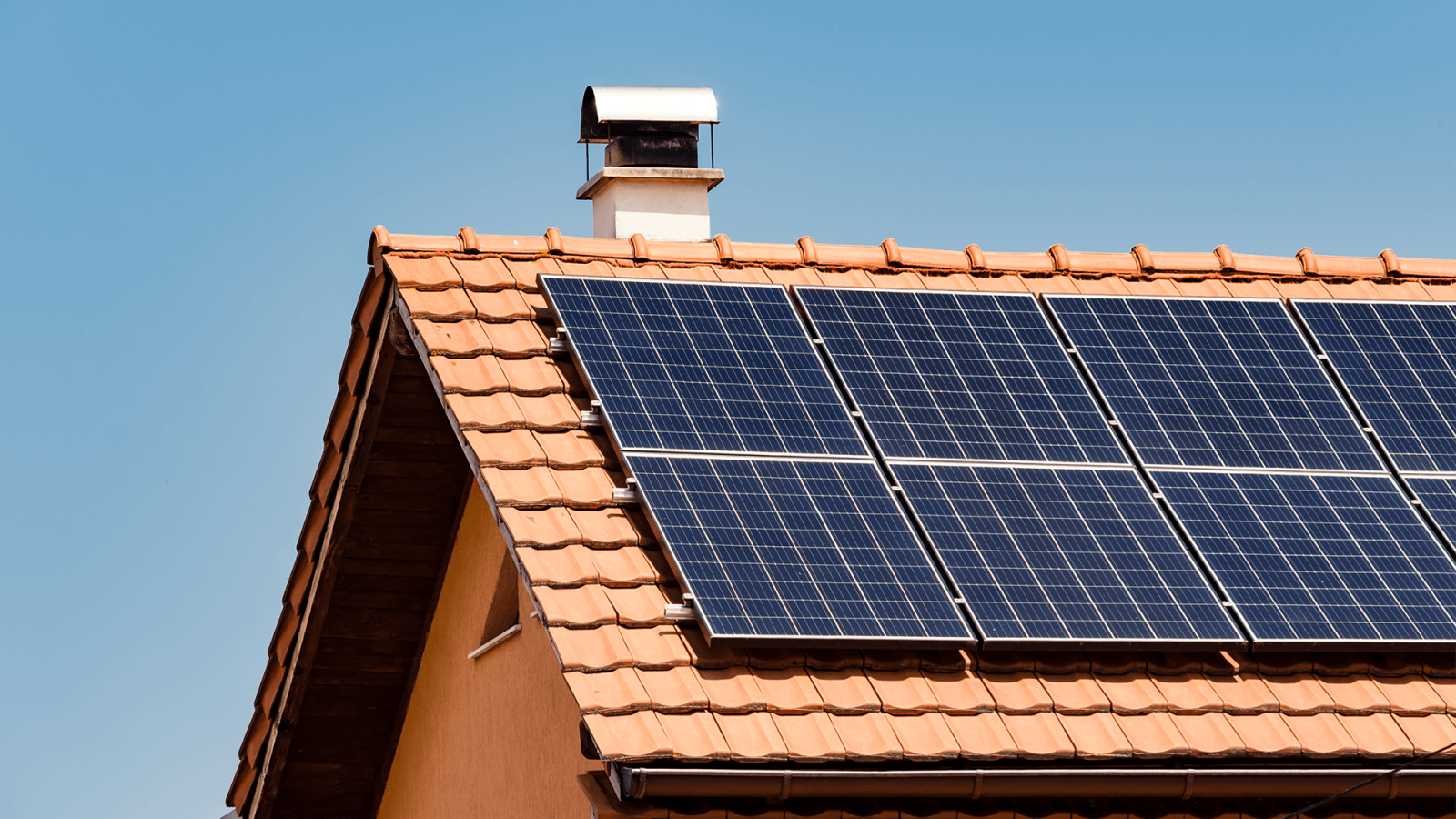
Bankability refers to the confidence that a product, supplier, or technology can deliver predictable performance and reduce financial risks over time. For solar projects, this concept is especially important because photovoltaic systems are designed to operate for decades.
EPC contractors are responsible for delivering projects that satisfy developers, investors, and asset owners. If a mounting system lacks sufficient technical documentation, it may create challenges during project approval, financing evaluation, or third-party review.
A bankable solar mounting solution should demonstrate reliable engineering design, material quality, manufacturing consistency, and compliance with relevant standards. These factors help stakeholders understand potential risks before construction begins.
When evaluating a tile roof mounting system, EPC contractors usually require detailed technical documents that verify product performance and suitability. One important category is structural documentation, including load calculations, engineering drawings, and design specifications.
Structural documents help confirm whether the mounting system is designed to withstand environmental loads such as wind and snow, while material specifications and durability data provide information on long-term outdoor performance. Since tile roofs vary in structure and material, EPCs also need information showing how the mounting solution adapts to different roof conditions.
Material documentation is another important requirement. Mounting components must provide corrosion resistance and durability because they remain exposed to changing weather conditions throughout the project lifecycle. Detailed material specifications and quality control records help demonstrate long-term reliability.
Testing reports and certifications provide additional confidence for project stakeholders. EPCs often review third-party testing results, manufacturing quality documents, and compliance certificates when assessing supplier reliability.
These documents help verify whether a mounting system has been evaluated according to industry requirements. They also support communication between EPC contractors, investors, and engineering consultants by providing measurable performance information.
For tile roof applications, documentation should clearly explain product compatibility, installation methods, and structural performance across different roof types. This information allows EPC teams to make informed decisions during system design and project planning.
Besides product quality, EPC contractors also focus on installation efficiency. A mounting system that simplifies construction can help reduce labor costs, shorten installation periods, and improve project scheduling.
Clear installation manuals, assembly instructions, and technical guidance are important parts of a bankability package. They allow installation teams to follow standardized procedures and reduce potential errors during construction.
Pre-assembled components can also improve project efficiency. When suppliers provide optimized designs and detailed installation support, EPC contractors can complete projects more smoothly while maintaining consistent quality.
Bankability is not only related to product documentation. The supplier’s manufacturing capability, engineering experience, and customer support services also influence project confidence.
EPC contractors often evaluate whether a supplier can provide stable production, technical assistance, and responsive after-sales support. A supplier with strong engineering resources can help solve challenges related to different installation environments and project requirements.
For tile roof solar projects, flexibility is especially important because roof structures vary significantly. Suppliers need to provide solutions that can accommodate different tile materials while maintaining structural strength and installation reliability.
A comprehensive documentation package helps EPC contractors reduce uncertainty and improve project bankability. From structural calculations and material specifications to testing reports and installation guidance, every document contributes to a clearer understanding of system performance.
Antaisolar focuses on developing reliable photovoltaic mounting solutions that meet the needs of global solar projects. The company’s tile roof solutions are designed to provide flexibility, durability, and efficient installation for different roof applications.
Antaisolar’s tile roof solar mounts feature specially designed hooks compatible with various tile types, including clay, concrete, and slate. The hook system provides versatile options for different roof structures while balancing flexibility, adjustability, strength, and durability for solar panel mounting on tile roofs.
The hook system offers multiple options for different roof styles, helping EPC contractors simplify installation planning. Its durable construction offers strong corrosion resistance, while highly pre-assembled components help reduce labor requirements and improve installation efficiency.
For EPC contractors, bankability documentation is an essential part of selecting a suitable mounting partner. A well-documented tile roof mounting system provides confidence in structural performance, installation quality, and long-term project reliability.
As solar markets continue to expand, project stakeholders will place greater emphasis on transparent technical information and dependable supplier capabilities. By combining detailed documentation, engineering expertise, and practical mounting solutions, companies can support smoother project development and stronger investment confidence. Antaisolar continues to help customers achieve these goals by providing professionally engineered tile roof mounting solutions designed for reliable solar deployment.
Why Bankability Matters in Solar Mounting Projects
Bankability refers to the confidence that a product, supplier, or technology can deliver predictable performance and reduce financial risks over time. For solar projects, this concept is especially important because photovoltaic systems are designed to operate for decades.
EPC contractors are responsible for delivering projects that satisfy developers, investors, and asset owners. If a mounting system lacks sufficient technical documentation, it may create challenges during project approval, financing evaluation, or third-party review.
A bankable solar mounting solution should demonstrate reliable engineering design, material quality, manufacturing consistency, and compliance with relevant standards. These factors help stakeholders understand potential risks before construction begins.
Key Documentation EPCs Review Before Selecting a Tile Roof Mounting System
When evaluating a tile roof mounting system, EPC contractors usually require detailed technical documents that verify product performance and suitability. One important category is structural documentation, including load calculations, engineering drawings, and design specifications.
Structural documents help confirm whether the mounting system is designed to withstand environmental loads such as wind and snow, while material specifications and durability data provide information on long-term outdoor performance. Since tile roofs vary in structure and material, EPCs also need information showing how the mounting solution adapts to different roof conditions.
Material documentation is another important requirement. Mounting components must provide corrosion resistance and durability because they remain exposed to changing weather conditions throughout the project lifecycle. Detailed material specifications and quality control records help demonstrate long-term reliability.
The Role of Testing Reports and Compliance Certificates
Testing reports and certifications provide additional confidence for project stakeholders. EPCs often review third-party testing results, manufacturing quality documents, and compliance certificates when assessing supplier reliability.
These documents help verify whether a mounting system has been evaluated according to industry requirements. They also support communication between EPC contractors, investors, and engineering consultants by providing measurable performance information.
For tile roof applications, documentation should clearly explain product compatibility, installation methods, and structural performance across different roof types. This information allows EPC teams to make informed decisions during system design and project planning.
Installation Documentation Supports Project Efficiency
Besides product quality, EPC contractors also focus on installation efficiency. A mounting system that simplifies construction can help reduce labor costs, shorten installation periods, and improve project scheduling.
Clear installation manuals, assembly instructions, and technical guidance are important parts of a bankability package. They allow installation teams to follow standardized procedures and reduce potential errors during construction.
Pre-assembled components can also improve project efficiency. When suppliers provide optimized designs and detailed installation support, EPC contractors can complete projects more smoothly while maintaining consistent quality.
Supplier Capability and Long-Term Support Influence Bankability
Bankability is not only related to product documentation. The supplier’s manufacturing capability, engineering experience, and customer support services also influence project confidence.
EPC contractors often evaluate whether a supplier can provide stable production, technical assistance, and responsive after-sales support. A supplier with strong engineering resources can help solve challenges related to different installation environments and project requirements.
For tile roof solar projects, flexibility is especially important because roof structures vary significantly. Suppliers need to provide solutions that can accommodate different tile materials while maintaining structural strength and installation reliability.
Building Confidence Through Reliable Tile Roof Solar Solutions
A comprehensive documentation package helps EPC contractors reduce uncertainty and improve project bankability. From structural calculations and material specifications to testing reports and installation guidance, every document contributes to a clearer understanding of system performance.
Antaisolar focuses on developing reliable photovoltaic mounting solutions that meet the needs of global solar projects. The company’s tile roof solutions are designed to provide flexibility, durability, and efficient installation for different roof applications.
Antaisolar’s tile roof solar mounts feature specially designed hooks compatible with various tile types, including clay, concrete, and slate. The hook system provides versatile options for different roof structures while balancing flexibility, adjustability, strength, and durability for solar panel mounting on tile roofs.
The hook system offers multiple options for different roof styles, helping EPC contractors simplify installation planning. Its durable construction offers strong corrosion resistance, while highly pre-assembled components help reduce labor requirements and improve installation efficiency.
Strengthening Solar Project Reliability Through Better Documentation
For EPC contractors, bankability documentation is an essential part of selecting a suitable mounting partner. A well-documented tile roof mounting system provides confidence in structural performance, installation quality, and long-term project reliability.
As solar markets continue to expand, project stakeholders will place greater emphasis on transparent technical information and dependable supplier capabilities. By combining detailed documentation, engineering expertise, and practical mounting solutions, companies can support smoother project development and stronger investment confidence. Antaisolar continues to help customers achieve these goals by providing professionally engineered tile roof mounting solutions designed for reliable solar deployment.
end